Give us feedback!
 Tweet
Share via E-mail
Tweet
Share via E-mail
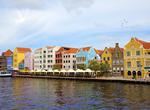
Dive Belize's Barrier Reef, (UNESCO site)
The second largest barrier reef in the world rises from the ocean floor off the coast of Belize. Long known as a diver’s paradise, Belize’s Barrier Reef is famous for fascinating coral formations, prolific fish populations and incredible water clarity. In addition to being one of CEDAM’s Seven Wonders of the Underwater World, the Belize Barrier Reef system is also a World Heritage Site. This designation adds to the barrier reef’s reputation and makes for a high ranking on the lists of diver’s everywhere.
On the ocean side of this 160 mile (258km) long reef is a popular destination known as Lighthouse Reef. At Lighthouse Reef crystal clear water fills the famous Blue Hole, a crater more than 1,000 feet across and just over 400 feet deep. Healthy coral formations rim this natural wonder at the surface. However, at a depth of 125 feet, neither coral nor fish can be found. Instead, divers find stalactites formed during the Ice Age when the sea level was much lower and the Blue Hole was a subterranean cavern. It is thought that the hole formed when the cavern’s roof collapsed.
Glover’s Reef is encapsulated by water so clear that visibility even at night is quite good. Since it is several miles from the mainland, the reef is not affected by silt or sediment runoff. Glover’s Reef is home to the Emerald Forest, a site named for magnificent elk horn coral “trees” that have substantial trunks and canopy-like tops more than ten feet high. Several kinds of exotic fish live here and at night a diver can catch them asleep, tucked in against the reef. Colorful Butterflyfish hover in the water along with Hogfish (and their pig-like snouts), Trumpetfish and Parrotfish with their beak-like mouths.
Manta rays and sharks prowl the darkness, seeking meals. Lobsters, crabs, shrimp and nudibranchs (the colorful slugs of the sea) search the reef for food and mates. Nearby established cleaning stations are among the favorite sites for visiting divers to observe the sea life. Adding to the underwater ballet, Soft Coral sea-fans bend in the current that brings them a constant supply of food.
Across the lagoon is the Hol Chan Marine Reserve, a small area off Ambergris Cay where the tangled roots of a mangrove forest reach into the water. Small fish dart among the roots, looking for meals and protection from predators. Hol Chan Reserve, which is Maya for “the cut,” was established in 1987. It includes all three habitats of the barrier reef ecosystem: reef, lagoon and mangroves; each area depends on the others. The lagoon is a feeding ground for many reef fishes.
Belize was central to the Mayan culture and the country is rich in history and culture. Belize is an ideal place to enjoy a holiday both on land and off allowing visitors to explore both the barrier reef system and the dense tropical forests. Ambergris Cay has a well-earned reputation for scuba diving and snorkeling excursions, as this island is the closest land mass to the reef. From Ambergris Cay enthusiasts can easily visit the Great Blue Hole, Shark Ray Alley, Lighthouse Reefs, Mexico Rocks and Hol Chan Marine Reserve.
Flying to Belize is straightforward from a number of US airports such as Houston, Dallas, Miami, Atlanta and Charlottesville. The nearest airport to the barrier reef is the Philip S W Goldson International Airport around 11 miles away from the city center reachable by taxi. There are also several water taxi services and major cruise lines that pass through Belize.
Show more
 "Pin It") Tweet
Share via E-mail
Tweet
Share via E-mail
 Loading...
Stats for this Dream
Join Now, it's FREE!