Give us feedback!
 Tweet
Share via E-mail
Tweet
Share via E-mail


 See all
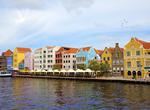
Visit Dublin, Ireland
Dublin is Ireland’s most populated city and the primary entry point for visitors. The city is found at the mid-point of the island’s eastern shoreline at the mouth of the River Liffey. The surrounding area has been inhabited since prehistoric times and the city contains some important ancient landmarks and monuments. Dublin Castle is a great example of a Norman fortification originally designed to protect the citizenry more than 800 years ago and a popular place for tourists to visit.
Dublin possesses an important literary history. Many prominent writers, including Nobel laureates William Butler Yeats, George Bernard Shaw and Samuel Beckett along with other influential writers and playwrights such as Oscar Wilde, Jonathan Swift and Bram Stoker (creator of Dracula) called the city home. Dublin was the location of many of the works of James Joyce, including Ulysses, which is set in Dublin and is full of details about the city. Ireland's biggest libraries and museums are found in Dublin, including the National Print Museum of Ireland, The National Gallery of Ireland and National Library of Ireland. The Dublin Writers Museum occupies an original 18th century house, which accommodates the museum rooms, library and gallery. The Museum was established to promote interest in Irish literature and in the lives and works of individual Irish writers.
It’s no secret that throughout the world the Irish are known for their fondness for beer and whiskey and the quality output from their breweries and distilleries. Visitors to the Emerald Isle enjoy learning about the history of production and visiting some famous drinking holes along with tours of renowned distilleries and breweries. Irish Whiskey has fans all over the world and tours of the Jameson Distillery, complete with a taste of the produce, attracts both the initiated and those that have never felt the warmth a single malt whiskey. Temple Bar is an area on the south bank of the River Liffey in central Dublin with a preserved medieval street pattern. Temple Bar is promoted as "Dublin's Cultural Quarter" having a lively nightlife that is popular with tourists. The Guinness Storehouse is a Guinness beer-themed tourist attraction located at St. James's Gate Brewery in Dublin where the history of Guinness is told through interactive exhibition areas including presentations about the ingredients, brewing process, transport, cooperage, advertising and sponsorship. Tours are typically completed by quaffing a pint of the quintessential almost black in color Irish brew.
Trinity College is Ireland's oldest and most notable college. Founded in 1592 in Dublin by Queen Elizabeth I, the hallowed halls house an amazing collection of literature within the Trinity College Library. The Book of Kells, a vibrantly illustrated version of the four Gospels of the New Testament that was created around 800AD by Celtic monks is housed in the library. Trinity College is one of the seven ancient universities of Britain and Ireland, as well as Ireland's oldest university. Another popular site in Dublin is St. Patrick's Cathedral, the largest cathedral in Dublin and the national cathedral of the Church of Ireland. Originally built at the end of the 12th century on the site where St. Patrick is said to have baptized converts some 600 years earlier the Cathedral is one of the most renowned and beloved churches in the world. Also found at the Cathedral is the tomb of Jonathan Swift, author of Gulliver's Travels.
Europe's largest public green space, Phoenix Park, features plenty of lush green lawns, shady wooded areas and cool, clean lakes. The Dublin Zoo, the third oldest zoo in Europe, finds Phoenix Park its home, as does the Farmleigh House, a large Edwardian estate with a working farm. Visitors to the Dublin area also enjoy hiking and cycling in and around the city as well as along the coastline. One such outing is the Hike Portmarnock to Malahide skirting one of the best beaches in County Dublin, also an important site in the early days of aviation and displays a number of fortifications built to defend the coastline before finishing at what was one of the longest continuously inhabited castles in Ireland.
Show more
 Tweet
Share via E-mail
Tweet
Share via E-mail
 Loading...
Stats for this Dream
Join Now, it's FREE!
Dream Packages
Duration: 2 days
Price: $346.48
Price: $346.48
Duration: 2 days
Price: $335.27
Price: $335.27
Duration: 3 days
Price: $615.59
Price: $615.59