Give us feedback!
Day Trip to Sighisoara, Viscri and Rupea Fortress from Brasov
Package Details
Destination:
Brasov, Transylvania, Romania
Duration: 8 hours
Price:
$64.95
Details & Booking at viator.com
Like & Rate this package!
Offered by: Viator
PRIVATE TOUR
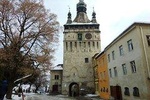
Sighisoara, a monument protected by UNESCO since 1999, included on the world heritage list, boasts a medieval fortress inhabited today. For the first time in 1280, a fortress was built here. In the 14th century under the citadel were established craftsmen organized in strong guilds, which built around the fortress a stone defense wall, 930 meters long and 4 meters high.
Rupea Citadel Romanian: Cetatea Rupea, German: Burg Reps, Hungarian: Kőhalmi vár is one of the oldest archaeological sites in Romania, the first signs of human settlements dating from the Paleolithic and early Neolithic.
The first documentary attestation dates from 1324 when the Saxons revolted against King Charles I of Hungary and took refuge inside the citadel. According to archaeologists, the current citadel was built on the ruins of a former Dacian defense fort conquered by the Romans. The name of the citadel comes from Latin rupes meaning ston.
Sighisoara, a monument protected by UNESCO since 1999, included on the world heritage list, boasts a medieval fortress inhabited today. For the first time in 1280, a fortress was built here. In the 14th century under the citadel were established craftsmen organized in strong guilds, which built around the fortress a stone defense wall, 930 meters long and 4 meters high.
Rupea Citadel Romanian: Cetatea Rupea, German: Burg Reps, Hungarian: Kőhalmi vár is one of the oldest archaeological sites in Romania, the first signs of human settlements dating from the Paleolithic and early Neolithic.
The first documentary attestation dates from 1324 when the Saxons revolted against King Charles I of Hungary and took refuge inside the citadel. According to archaeologists, the current citadel was built on the ruins of a former Dacian defense fort conquered by the Romans. The name of the citadel comes from Latin rupes meaning ston.
Itinerary
This is a typical itinerary for this product
Stop At: Centrul Istoric Sighisoara, Piata Cetatii Nr.1 Center of Sighisoara, Sighisoara 545400 Romania
Sighisoara Fortress, considered the largest medieval fortress in Europe inhabited without interruption, but also the best preserved city fortress in Transylvania, the most attractive and complete medieval urban complex in Romania, became a UNESCO World Heritage Site since 1999.
On the site of today's Sghişoara was the Roman military guard post Sandava, founded by German settlers in the North Rhine region, who had been invited to settle in Transylvania by the king of Hungary, Géza II, to defend the eastern borders. Here, the settlers receive in use "fundus regius" ("Christian land") and enjoy special rights and privileges.
Duration: 2 minutes