Give us feedback!
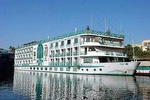
five day Nile cruise from Luxor to Aswan
Package Details
Destination:
Luxor, Nile River Valley, Egypt
Duration: 5 days
Price:
$615.39
Details & Booking at viator.com
Like & Rate this package!
Offered by: Viator
it is a good tour full of an interested things and the travelers will exploring the best sightseeing in Luxor and Aswan. Enjoy the best joinery in the longest river in Egypt .
Itinerary
Day 1: luxor , east bank
Pass By: Luxor Temple, Luxor 23512 Egypt
It built by one of the kings of the 12th dynasty & completed by the well know king Ramses II.
Pass By: Temple of Karnak, Karnak, Luxor Egypt
It is considered to be the biggest complex construction in the world covering an area of a hundred.
Meals included:
• Lunch
• Dinner
No accommodation included on this day.
Day 2: Luxor west bank
Pass By: Valley of the Kings, Luxor City, Luxor 85511 Egypt
It considers as the royal cemetery of the Theban kings and rulers of ancient Egypt, and the place where our Pharaohs were buried.
Pass By: Hatshpsot, Luxor City, Luxor, Luxor Governorate, Egypt
This temple is considered as one of the most wonderful examples of the Architecture in ancient Egypt, because it was totally carved inside the mountain.
Pass By: Colossi of Memnon, Thebes, Luxor Egypt
It is belonging to king Amenhotep III.
Meals included:
• Breakfast
• Lunch
• Dinner
No accommodation included on this day.
Day 3: Edfu , Kom ombo
Pass By: Temple of Horus, Adfo, Edfu Egypt
It is considered to be one of the most well preserved temples in Egypt.
Pass By: Temple of Kom Ombo, Nagoa Ash Shatb, Kom Ombo 81611 Egypt
where the two gods Sobek & Haroeris were worshipped for a while.
Meals included:
• Breakfast
• Lunch
• Dinner
No accommodation included on this day.
Day 4: Aswan city tour
Pass By: Aswan High Dam, Manteqet As Sad Al Aali, Aswan Egypt
It has been erected by the Egyptian president Gamal Abdel Nasser in 1960 AD to protect Egypt from the Nile flood.
Pass By: Temple of Philae, Island of Agilika, Aswan Egypt
It was erected during the Graeco-Roman period and was dedicated to goddess Isis.
Meals included:
• Breakfast
• Lunch
• Dinner
No accommodation included on this day.
Day 5: abu simble temple
Pass By: Abu Simbel, Abu Simbel, Aswan Governorate, Nile River Valley
It lies south of Aswan on the western bank of the Nile, 180 miles south of the First Cataract in what was Nubia. The site was known as Meha in ancient times and was first documented in the 18th Dynasty, when Ay and Horemheb had rock-cut chapels hewn in the hills to the south. Upon arrival, you will proceed to visit Abu Simbel Temples, which were built by the well-known king Ramses II. The biggest temple was called as the Great temple. It was built by Ramesses II and being dedicated to the famous god Rahorakhty. While the smaller temple and it was dedicated to king Ramesses II himself and his beautiful wife queen Nefertari.
Meals included:
• Breakfast
• Lunch
No accommodation included on this day.