Give us feedback!
Private Tour: Full-Day Easter Island Highlights
Package Details
Main Destination:
Hanga Roa, Easter Island, Chile
Other Destination(s):
Ahu Tongariki, Easter Island, Chile;
Anakena Beach, Easter Island, Chile;
Easter Island, Chile (UNESCO site);
Rano Kau, Easter Island, Chile;
Rano Raraku, Easter Island, Chile
Duration: 7 hours
Price:
$200.00
Details & Booking at viator.com
Like & Rate this package!
Offered by: Viator
Visit the most important highlights of Easter Island during this 7-hour private tour.
Explore the famous megalithic statues, while your guide teaches you about this fascinating culture with incredible legends about the island.
Stop at the Rano Kau crater and relax on Anakena beach, one of the most beautiful places of Easter Island.
Enjoy a stress-free hotel pickup and drop-off service on your special day to immerse yourself in the Rapa Nui culture.
Explore the famous megalithic statues, while your guide teaches you about this fascinating culture with incredible legends about the island.
Stop at the Rano Kau crater and relax on Anakena beach, one of the most beautiful places of Easter Island.
Enjoy a stress-free hotel pickup and drop-off service on your special day to immerse yourself in the Rapa Nui culture.
Itinerary
This is a typical itinerary for this product
Stop At: Rano Raraku, Easter Island Chile
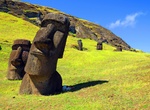
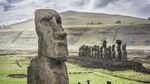
This is the only volcanic cone tuff quarry existing on the island. This material allowed the construction of the moai on a larger scale. Rano Raraku houses the quarry where the moai were built and from where they were moved to the ahu (ceremonial platforms) in the island.
Duration: 2 hours
Stop At: Ahu Tongariki, Easter Island Chile
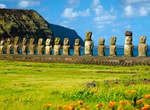
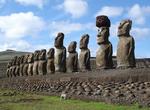
Located opposite to Rano Raraku this is the largest platform from all of the reconstructed on the island. The ahu Tongariki is the most imposing moai platform in the island. This altar has fifteen visible standing statues overlooking the island with their backs to the Pacific Ocean.
Duration: 1 hour
Stop At: Anakena Beach, Easter Island Chile
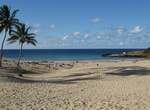
This beach is characterized by warm turquoise waters and coral sand. It is the main beach of the island and used to be the ancestral residence of the Miru Araki royal family. The ahu Nau Nau is undoubtedly one of the most accomplished Ahu of the island because of the refinement of its moai.
Duration: 45 minutes
Stop At: Rano Kau, Easter Island Chile
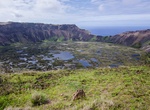
Located in the southwest side of the island the crater of this volcano is one of the most beautiful natural landscapes of Rapa Nui. With 1.5 Km large this crater is the biggest reserve of endemic flora of Rapa Nui and it lake served as an important source of drinking water
Duration: 15 minutes
Stop At: Orongo, Easter Island Chile
O'rongo village is located on one side of the Rano Kau volcano crater. Its spectacular scenic location, its archaeological and historic relevance, the diversity and complexity of the site, make Orongo village one of the most important attractions of the island. It's one of the two main sites on the island as in this place was celebrated the Birdman ceremony. It also has a visitor reception center with a permanent interpretive exhibition.
Duration: 2 hours
Stop At: Ahu Akivi, Easter Island Chile
One of the very few ceremonial platforms not located by the sea. Its seven moais have been restored to their standing position by the archaeologists William Mulloy and Gonzalo Figueroa along with the Rapa Nui community. These moai have the particularity of having astronomical positioning guidance and look towards the setting sun.
Duration: 30 minutes
Dreams related to Package