Give us feedback!
Terezin Concentration Camp - A town of rich and painful history
Package Details
Destination:
Prague, Bohemia, Czech Republic
Duration: 6 hours
Price:
$383.92
Details & Booking at viator.com
Like & Rate this package!
Offered by: Viator
A small but unique glimpse into the horrors of the Nazi Regime of World War II. Terezin brings home in sufficient detail the extent and the brutal cruelty conducted against a defenseless population.
Since WWII, Terezin has been associated with the notorious Jewish ghetto and concentration camp established by the Nazi SS. In the course of the war around 155,000 people were held there in desperate conditions awaiting transport to the death camps further east, many of them, including children died in Terezin itself.
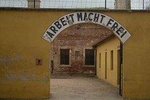
As a fortress, Terezin – named after Habsburg ruler Maria Theresa – was soon obsolete. After that, Terezin became a garrison town, and then a prison during the First World War. After the Nazi occupation, the Main fortress was turned into a “special” Jewish ghetto, while the less known Small Fortress was a cruel prison of the Reich’s secret police - the Gestapo. Unlike Auschwitz, Terezin was not an extermination camp, but rather a transit camp from where Jews could be deported to death camps further to the east. Many horrors were endured by those imprisoned here.
If you are interested in the history of World War II, Holocaust and daily life in the ghetto, come and visit the most significant sites in Terezin like the Gestapo prison,the Crematorium, the Magdeburg Barracks and other premises to get a clear idea of how life there.