Give us feedback!
 4.9873095 from partner site

Traditional Cooking Experience in a Korean-Style House in Seoul
Package Details
Destination:
Seoul, Seoul, South Korea
Duration: 3 hours
Price:
$57.00
Details & Booking at viator.com
Like & Rate this package!
4.9873095 from partner site
Offered by: Viator
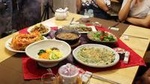
Exploring local area and learn how to cook an authentic home-cooked Korean meal. This 3-hour cooking class starts with a quick walking tour of the city as we purchase local ingredients from the local market. Then we will cook together and dine together in a traditional Korean-style house.
• Learning various Korean foods with professional Korean instructor.
• Experiencing local traditional market and Cooking Korean foods with fresh ingredients.
• Cooking together and dining together. (We offer group cooking experience, not individual)
Time line
10:00(14:00)-10:40(14:40) : Food ingredients market tour
10:40(14:40)-12:15(15:15) : Korean cooking class
12:15(16:15)-13:00(17:00) : Lunch/Dinner
* (time) is for afternoon class.
This timeline will be changed up to weather.
#Korean cooking class #cooking korean food, #Koreanfood
• Learning various Korean foods with professional Korean instructor.
• Experiencing local traditional market and Cooking Korean foods with fresh ingredients.
• Cooking together and dining together. (We offer group cooking experience, not individual)
Time line
10:00(14:00)-10:40(14:40) : Food ingredients market tour
10:40(14:40)-12:15(15:15) : Korean cooking class
12:15(16:15)-13:00(17:00) : Lunch/Dinner
* (time) is for afternoon class.
This timeline will be changed up to weather.
#Korean cooking class #cooking korean food, #Koreanfood
Your 3-hour experience begins as your guide meets you at Jegidong Station Exit 2 at 10am. Walk to Kyung-dong and Yangnyeong local markets to purchase ingredients for your cooking class.
Then, proceed to a traditional Korean-style house where your cooking class will commence. Depending on the day of the week, you will be able to learn how to make one of the four most popular Korean dishes. Enjoy your creations in the company of your cooking instructor/guide.
Samgyetang Class (Mondays)
Samgyetang (chicken and ginseng soup) is made with chicken, ginseng, garlic, and glutinous rice. Koreans eat Samgyetang frequently during the summer as Samgyetang is made with various healthy ingredients and is nutrient dense with protein and minerals. Good for regaining energy, this soup is also delicious.
Kimchi Class (Thursdays)
We have different kinds of kimchi classes using various ingredients such as radish, Korean cabbage and even tomato. Fresh kimchi is best served with steamed pork slice. Learn how to make the tastiest pork slice using special ingredients from Yangnyeong market, the biggest herbal market in Korea.
Korean Home Cooking Class (Tuesdays, Saturdays)
In this class, you will learn how to make traditional Korean dishes, such as bulgogi (grilled marinated beef), japchae (stir-fried sweet potato noodles), deonjang jjigae (soybean paste stew), etc. These are a few staples for Koreans' daily dining and surprisingly easy to make, even for foreigners. Your guide will teach you the easiest way to cook these everyday Korean dishes.
Korean Bibimbap Class (Fridays)
Bibimbap is a rice dish made by mixing various types of food, such as namul (seasoned vegetables) and gochujang (red chili paste) or doenjang (soybean paste). Make your own Bibimbap using 5 colorful ingredients and also learn how to make bean sprout soup and Korean pancake.
Korean Dessert Class (Sundays)
Learn how to make seasonal Korean desserts, such as gangjeong (glutinous rice, honey and malt boiled and mixed with puffed cereal), dasik (a light confectionery cookie), songpyeon (glutinous rice dessert) and so on. Hear about the many interesting historical stories related to each dessert while enjoying them with traditional Korean tea.