Give us feedback!
Summit Top 10 Mountains under 20,000 ft in the World
›Go to Dream PageDream out of
Stats for this Dream
On Your list: -
Your Check-offs: -
Friends with Dream: 0
Total Check-offs: -
Advertisement
-
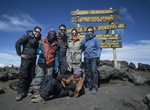
Summit Mount Kilimanjaro, Tanzania
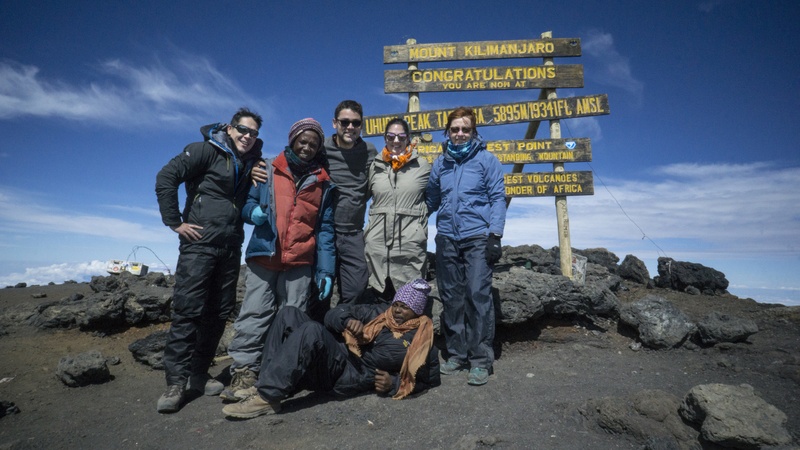 A quick word about the place...Flag as inappropriate ›Tanzania’s Mount Kilimanjaro, at 5,895 meters above sea level, boasts the highest elevation on the African continent. Considered the world’s tallest walkable mountain, trekkers that dare challenge the monolithic land mass will move through 5 different climactic zones. From steamy tropical heat and rainforests to the arctic chill at snow-capped Uhuru Peak, every season can be experienced during the days spent on the mountain. Mount Kilimanjaro is the tallest free-standing mountain in the world and summiting this African icon is a worthy pursuit of travelers in search of adventure. Magnificent views from the trail stretch for hundreds of miles across the Tanzanian savannah and into neighboring Kenya. Multiple routes with varying degrees of difficulty provide an opportunity for adventurers with diverse backgrounds to attempt the ascent of “Kili” as the mountain is affectionately known. At least 7 different...SHOW MORE
 -
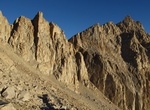
Summit Mount Whitney, California
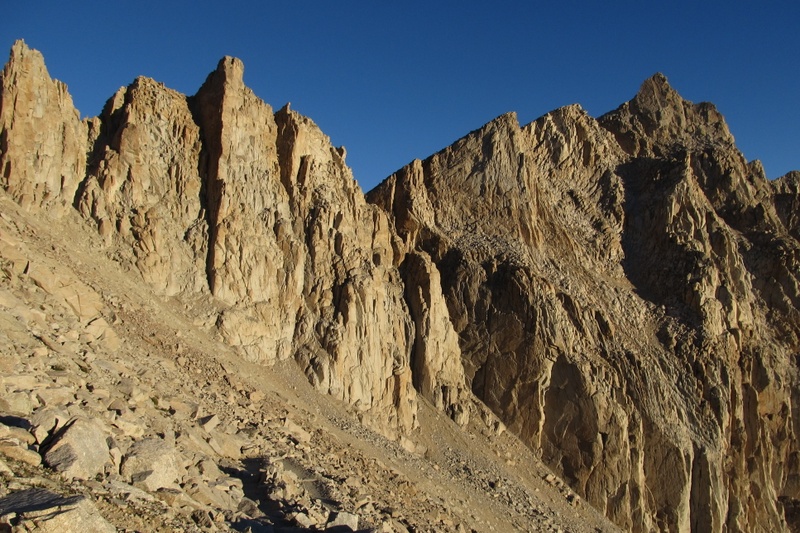 A quick word about the place...Flag as inappropriate ›Mount Whitney is the highest summit in the contiguous United States with an elevation of 14,505 feet (4,421 m). It is located at the boundary between California's Inyo and Tulare counties, just 84.6 miles (136.2 km) west-northwest of the lowest point in North America at Badwater in Death Valley National Park (282 feet (86 m) below sea level). The western slope of the mountain lies within Sequoia National Park and the summit is the southern terminus of the John Muir Trail which runs 211.9 miles (341.0 km) from Happy Isles in Yosemite Valley. The eastern slope lies in the Inyo National Forest in Inyo County. The most popular route to the summit is by way of the Mount Whitney Trail which starts at Whitney Portal (8,360 feet (2,550 m)) 13 miles (21 km) west of the town of Lone Pine. The hike is about 22 miles (35 km) round trip with an elevation gain of over 6,100 feet (1,900 m). Permits are required year round, and to prevent...SHOW MORE
 -
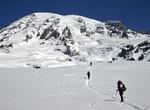
Summit Mount Rainier, Washington
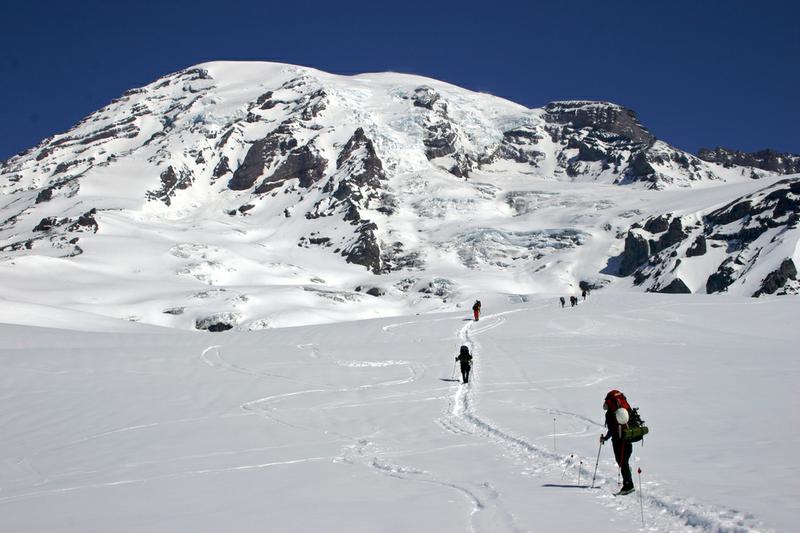 A quick word about the place...Flag as inappropriate ›Mount Rainier is a massive stratovolcano located 54 miles (87 km) southeast of Seattle, United States. It is the most prominent mountain in the contiguous United States and the Cascade Volcanic Arc, with a summit elevation of 14,411 feet (4,392 m). Mt. Rainier is considered one of the most dangerous volcanoes in the world, and it is on the Decade Volcano list. Because of its large amount of glacial ice, Mt. Rainier could potentially produce massive lahars that would threaten the whole Puyallup River valley. Mountain climbing on Mount Rainier is difficult, involving traversing the largest glaciers in the U.S. south of Alaska. Most climbers require two to three days to reach the summit. Climbing teams demand experience in glacier travel, self-rescue, and wilderness travel. About 8,000 to 13,000 people attempt the climb each year, about 90% via routes from Camp Muir on the southeast flank. Most of the rest ascend Emmons Glacier...SHOW MORE
 -
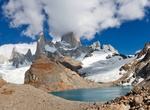
Summit Monte Fitz Roy, Patagonia, Argentina & Chile
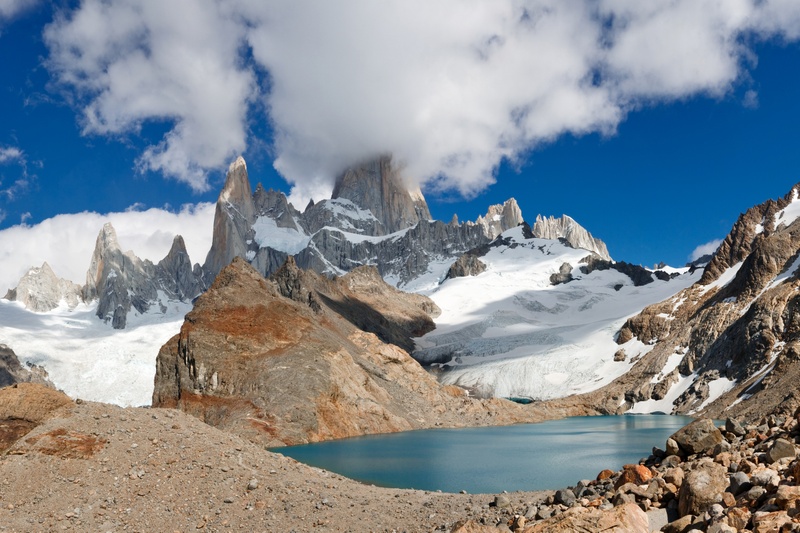 A quick word about the place...Flag as inappropriate ›Monte Fitz Roy (3,359 m (11,020 ft)) is a mountain located near El Chaltén village, in the Southern Patagonian Ice Field, in Patagonia, on the border between Argentina and Chile. The mountain is also known as Cerro Chaltén, Cerro Fitz Roy, or simply Mount Fitz Roy. Cerro is a Spanish word meaning mountain, while Chaltén comes from a Tehuelche (Aonikenk) word meaning "smoking mountain", due to a cloud that usually forms around the mountain's peak. Fitz Roy, however, was only one of a number of peaks the Tehuelche called Chaltén. As he describes in his book, Viaje a la Patagonia Austral, Francisco Moreno first saw the mountain on 2 March 1877. Since the native inhabitants also called other mountains Chaltén, he named it Fitz Roy, in honour of Robert FitzRoy, who, as captain of the HMS Beagle had travelled up the Santa Cruz River in 1834 and charted large parts of the Patagonian coast. It has...SHOW MORE
 -
Hike around Matterhorn, Switzerland & Italy
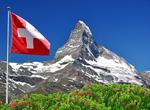
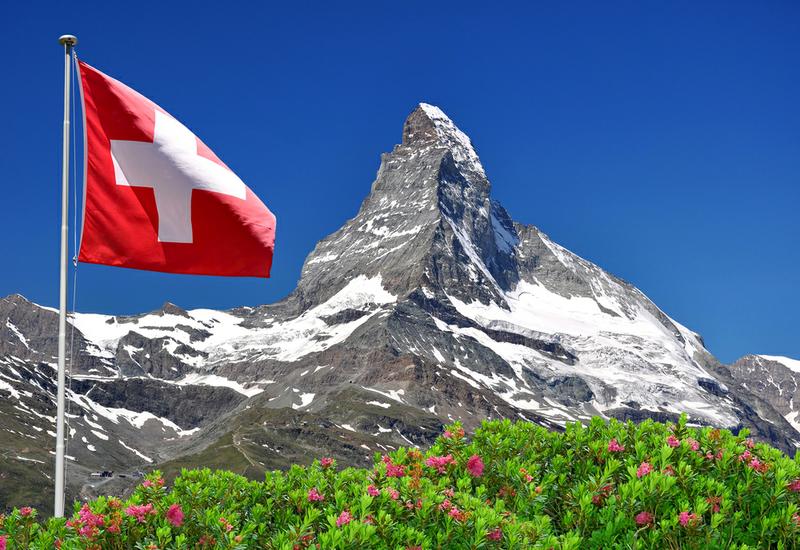 A quick word about the place...Flag as inappropriate ›The Matterhorn (German), Monte Cervino (Italian) or Mont Cervin (French), is a mountain in the Pennine Alps on the border between Switzerland and Italy. Its summit is 4,478 metres (14,692 ft) high, making it one of the highest peaks in the Alps. The four steep faces, rising above the surrounding glaciers, face the four compass points. The mountain overlooks the town of Zermatt in the canton of Valais to north-east and Breuil-Cervinia in the Aosta Valley to the south. The Theodul Pass, located at the eastern base of the peak, is the lowest passage between its north and south side. The Matterhorn was the last great Alpine peak to be climbed and its first ascent marked the end of the golden age of alpinism. It was made in 1865 by a party led by Edward Whymper and ended tragically when four of its members fell to their deaths on the descent. The north face was not climbed until 1931, and is amongst the six great north faces of the...SHOW MORE
 -
Summit Mont Blanc, Italy & France
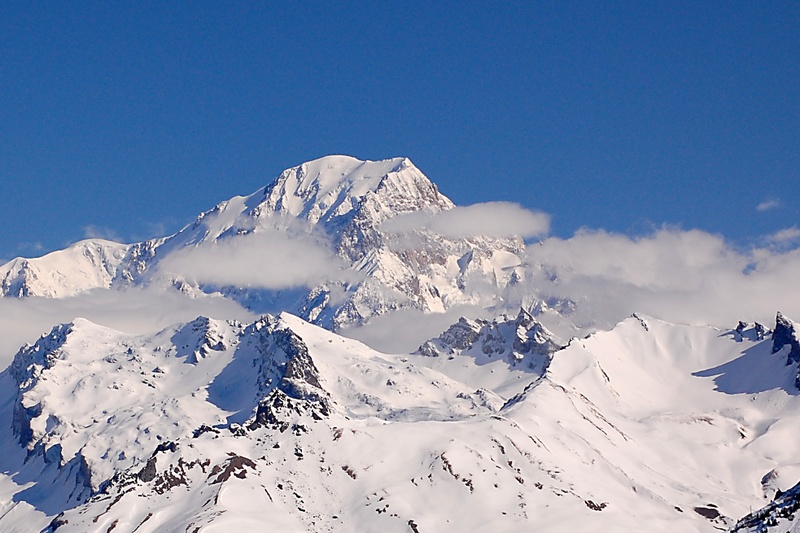 A quick word about the place...Flag as inappropriate ›Mont Blanc or Monte Bianco (French and Italian, respectively, meaning "White Mountain") is the highest mountain in the Alps, Western Europe and the European Union. It rises 4,810.45 m (15,782 ft) above sea level and is ranked 11th in the world in topographic prominence. It is also sometimes known as "La Dame Blanche" (French for "The White Lady"). There are several classic climbing routes to the summit of Mont Blanc: The most popular route is the Voie des Cristalliers, also known as the Voie Royale. Starting from Saint-Gervais-les-Bains the Tramway du Mont-Blanc (TMB) is taken to get to the Nid d'Aigle. The ascent then begins in the direction of the Refuge de Tête Rousse and then through the Goûter Corridor, considered dangerous because of frequent rock-falls, leading to Goûter cabin for night shelter. The next day the route leads to the Dôme du Goûter, the Vallot cabin and L'arrête des...SHOW MORE
 -
Summit Mount Elbrus, Russia
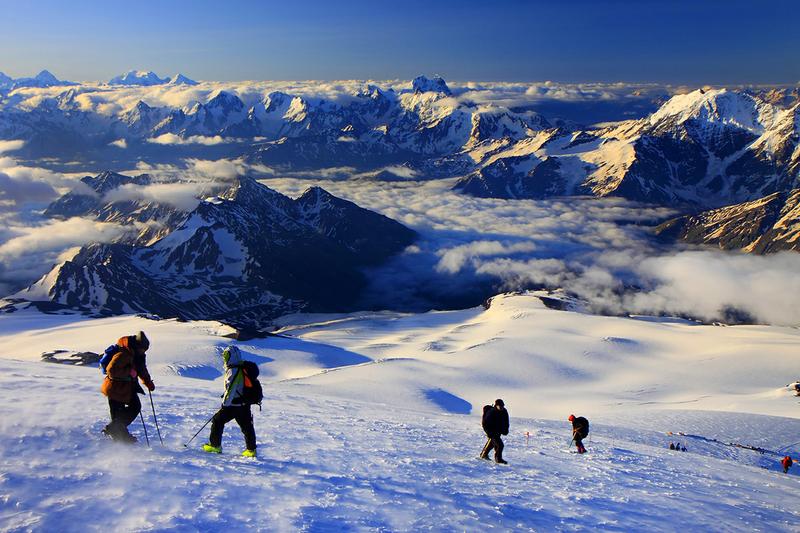 A quick word about the place...Flag as inappropriate ›Mount Elbrus is an inactive volcano located in the western Caucasus mountain range, in Kabardino-Balkaria and Karachay-Cherkessia, Russia, near the border of Georgia. Mt. Elbrus's highest peak is the highest mountain in the Caucasus, in Russia. While there are differing authorities on how the Caucasus are distributed between Europe and Asia, many sources agree that Elbrus is also the highest mountain in all of Europe. Mt. Elbrus (west summit) stands at 5,642 metres (18,510 ft); the east summit is slightly lower at 5,621 metres (18,442 ft). The Normal Route is the easiest, safest and fastest on account of the cable car and chairlift system which operates from about 9am till 3pm. Starting for the summit at about 2am from the Diesel Hut should allow just enough time to get back down to the chairlift if movement is efficient. A longer ascent Kiukurtliu Route starts from below the cable-way Mir station and heads west over glacier...SHOW MORE
 -
Summit Mount Damavand, Iran
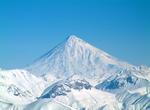
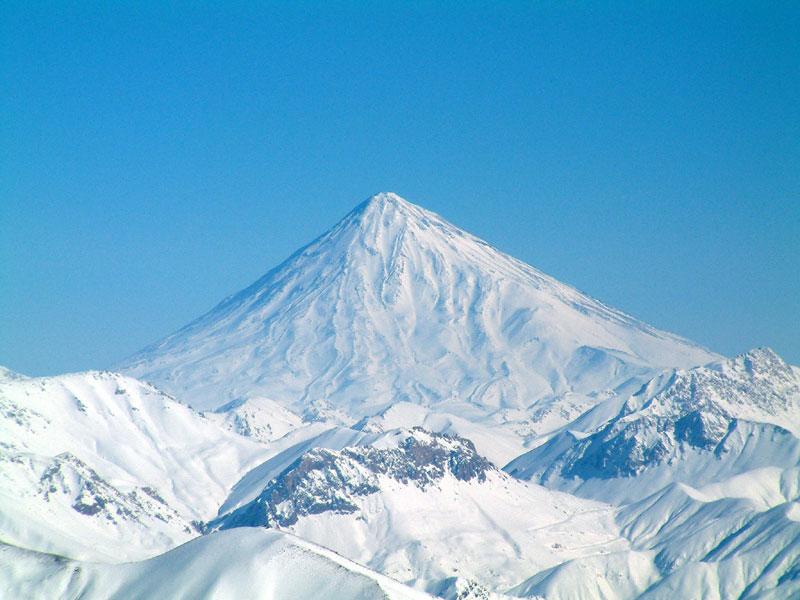 A quick word about the place...Flag as inappropriate ›Mount Damāvand also known as Donbavand, a potentially active volcano and the highest peak in Iran, has a special place in Persian mythology and folklore. Located in the middle Alborz Range, adjacent to Varārū, Sesang, Gol-e Zard and Mīānrūd, it is the highest point in the Middle East and the highest volcano in all of Asia. It is a potentially active volcano, since there are fumaroles near the summit crater emitting sulfur, which were known to be active on July 6, 2007. The mountain is located near the southern coast of the Caspian Sea, in Āmol county, Māzandarān, 66 kilometres (41 miles) northeast of Tehran. Mt Damavand has some thermal springs (Abe Garm Larijan) with therapeutic qualities. These mineral hot springs are mainly located on the volcano's flanks and at the base, giving evidence of volcanic heat comparatively near the surface of the earth. While no historic eruptions have been recorded, hot springs at the base and...SHOW MORE
 -
Summit Iztaccíhuatl, Mexico
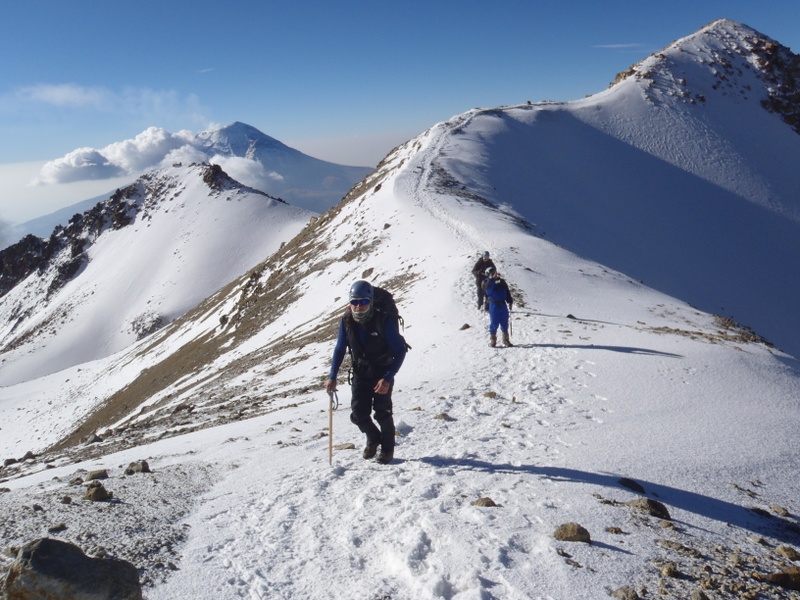 A quick word about the place...Flag as inappropriate ›Iztaccíhuatl (alternative spellings include Ixtaccíhuatl) is the third highest mountain in Mexico, after the Pico de Orizaba (5,636 m) and Popocatépetl (5,426 m). Its name is Nahuatl for "White woman". The mountain has four peaks, the highest of which is 5,230 m (17,159 ft) above sea level. Together, the peaks are seen as depicting the head, chest, knees and feet of a sleeping female figure, which is visible from either the east or the west. Iztaccíhuatl is a mere 70 km (44 mi) to the southeast of Mexico City and is often visible from the capital, depending on atmospheric conditions. While the first recorded ascent was made in 1889, archaeological evidence suggests that the Aztecs and previous cultures also climbed the mountain. This is the lowest peak that contains permanent snow and glaciers in Mexico. Iztaccíhuatl lies to the north of Popocatépetl, and is connected to it by the high...SHOW MORE
 -
Explore Denali National Park, Alaska
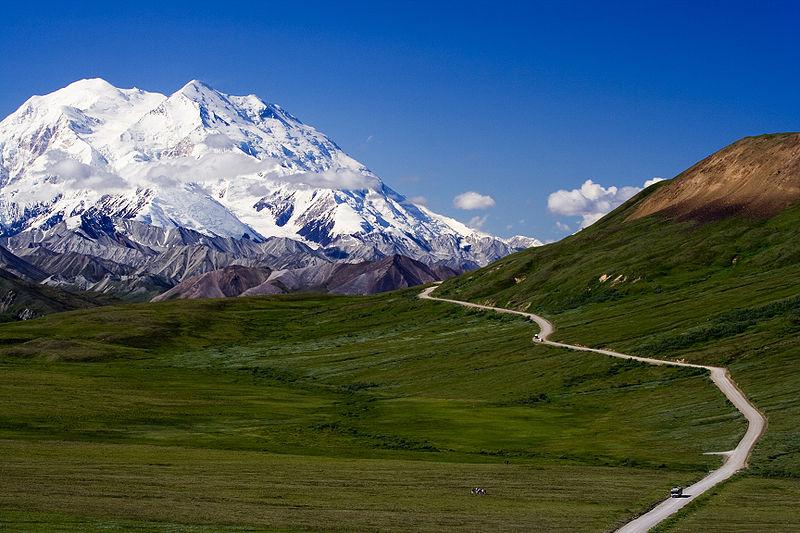 A quick word about the place...Flag as inappropriate ›Denali National Park and Preserve is located in Interior Alaska and contains Denali (Mount McKinley), the highest mountain in North America. The park and preserve together cover 9,492 mi² (24,585 km²). Denali is home to a variety of Alaskan birds and mammals, including a healthy population of grizzly bears and black bears. Herds of caribou roam throughout the park. Dall sheep are often seen on mountainsides, and moose feed on the aquatic plants of the small lakes and swamps. Despite human impact on the area, Denali accommodates gray wolf dens, both historic and active. Smaller animals, such as hoary marmots, arctic ground squirrels, beavers, pikas, and snowshoe hares are seen in abundance. Foxes, martens, lynx, wolverines also inhabit the park, but are more rarely seen due to their elusive natures. The park is also well known for its bird population. Many migratory species reside in the park during late spring and...SHOW MORE
Check out other Dreams from this list