Give us feedback!
Dive Top 10 Sites in the World
›Go to Dream PageDream out of
Stats for this Dream
On Your list: -
Your Check-offs: -
Friends with Dream: 0
Total Check-offs: -
Advertisement
-
Dive Great Barrier Reef, Australia (UNESCO site)
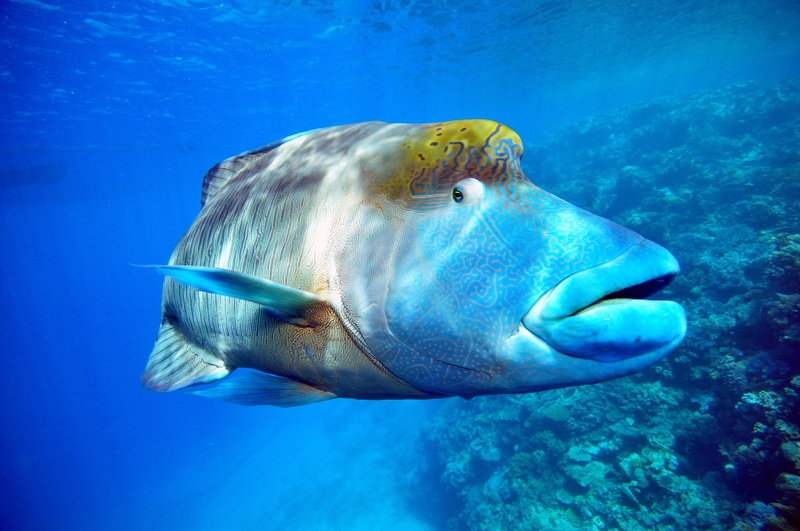 A quick word about the place...Flag as inappropriate ›The Great Barrier Reef, the world’s largest reef system, is located in the Coral Sea off the coast of the Australian state of Queensland and is considered one of the seven natural wonders of the world. The reef system stretches for nearly 2,000 km, comprised of approximately 2,900 individual reefs and 900 islands. The Great Barrier Reef and the surrounding islands support an incredibly diverse collection of life and a number of endangered species. 30 species of dolphin, whales and porpoise along with the extremely rare dugongs can be found in the habitat along with various species of sea turtles, sharks, rays, sea snakes, seahorses, pipefish and over 1,500 other varieties of fish. Multiple types of seagrass, algae and seaweed, nearly 400 varieties of coral, over 200 different birds, saltwater crocodiles, thousands of plant species, frogs, ascidians and bryozoan are among the incredibly varied life forms that can be...SHOW MORE
 -
Dive Providenciales Island, Turks and Caicos
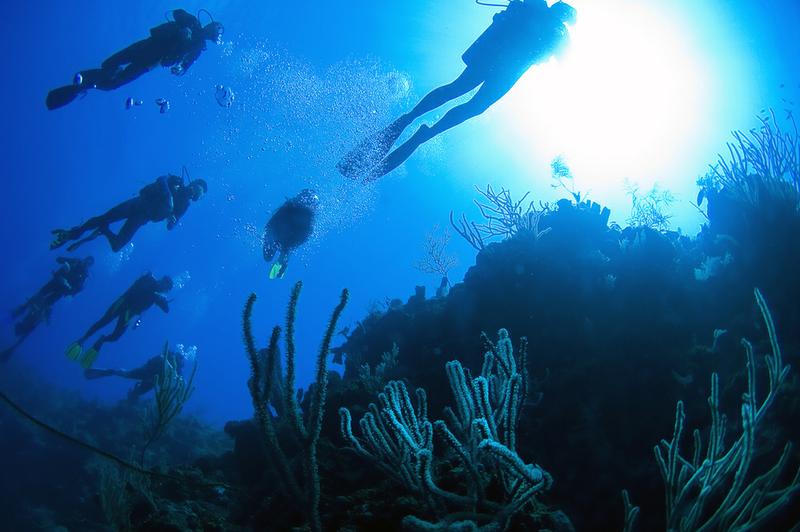 A quick word about the place...Flag as inappropriate ›Many diving experts, including the late Jacques Cousteau, have said Providenciales is one of the 10 best sites in the world. The island's crystal clear waters (often more than 30m/100 ft.) make it the # 2 rated dive site according to Dive magazines in 2012. Providenciales has a barrier reef that runs the full length of the island's 27km (17-mile) north coast. Finally add in dramatic vertical underwater "walls" where the coral is big and healthy you know why this island is ranked so high. Popular diving spots include Grace Bay, Northwest Point, Pine Cay, West Caicos and French Cay. The western half of Providenciales is mostly barren wilderness, home to the island's best natural attraction, Chalk Sound National Park. The park is a 3 miles (4.8 km) long bay southwest of Downtown. The color of the water is a uniform turquoise and studded with countless mushroom-like tiny islets. Also on the western part of the island is...SHOW MORE
 -
Dive Útila Island, Bay Islands, Honduras
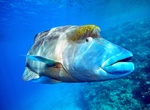
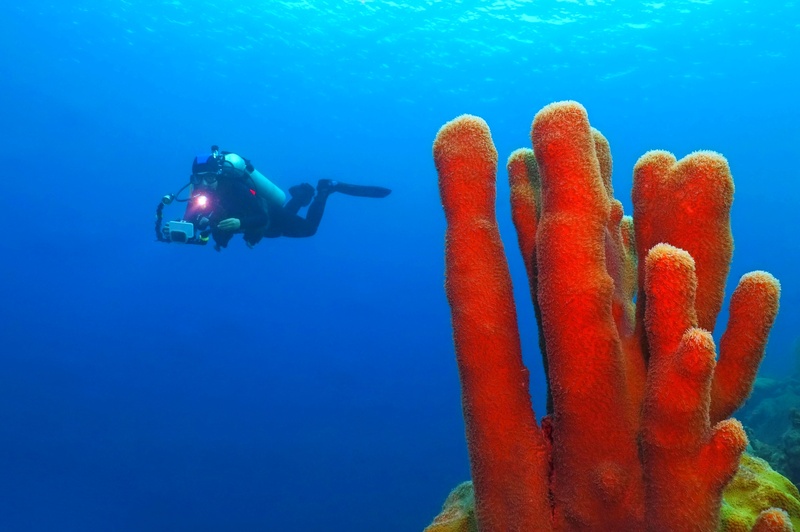 A quick word about the place...Flag as inappropriate ›Utila Island has only one small town in contrast to its more heavily populated cousin, Roatan, among Honduras’s Bay Island archipelago. Most of the commerce on the island, including the dive shops and tour operators, is located along the lone paved road that caresses the island’s shoreline. The infrastructure is best described as rustic but what Utila lacks in development is more than made up with its access to over 60 great dive sites (including shipwrecks) spread just offshore and around the 11 Cays that are found off Utila’s southwest corner. A number of dive shops operate in Utila Town offering equipment to purchase or rent, low cost certification and guided excursions to the never ending collection of walls, crevices and reef systems. PADI and SSI certification courses are regularly scheduled on Utila Island for those visitors seeking instructor or divemaster designations. From the biggest fish in the...SHOW MORE
 -
Dive Rock Islands of Palau, Palau (UNESCO site)
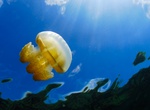
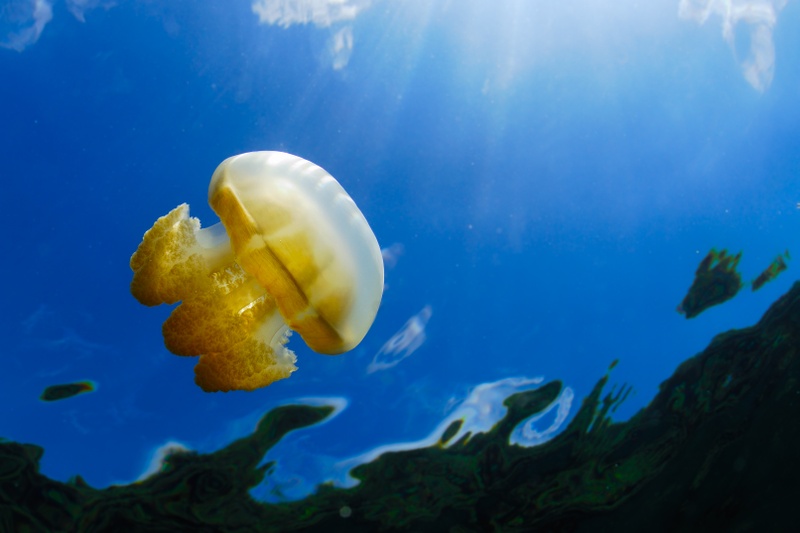 A quick word about the place...Flag as inappropriate ›The Rock Islands of Palau, also called Chelbacheb, are a small collection of limestone or coral uprises, ancient relics of coral reefs that violently surfaced to form Islands in Palau's Southern Lagoon, between Koror and Peleliu, and are now an incorporated part of Koror State. There are between 250 to 300 islands in the group according to different sources, with an aggregate area of 47 km² and a height up to 207 m. The islands are for the most part uninhabited and are famous for their beaches, blue lagoons and the peculiar umbrella-like shapes of many of the islands themselves. The Rock Islands and the surrounding reefs make up Palau's popular tourist sites such as Blue Corner Blue hole German Chanel Ngermeaus Island The Rocks Island also include the famed Jellyfish Lake, one of the many Marine lakes in the Rock Islands that provides home and safety for several kinds of stingless jellyfish found only in Palau.SHOW MORE
 -
Dive Ras Muhammad National Park, Egypt
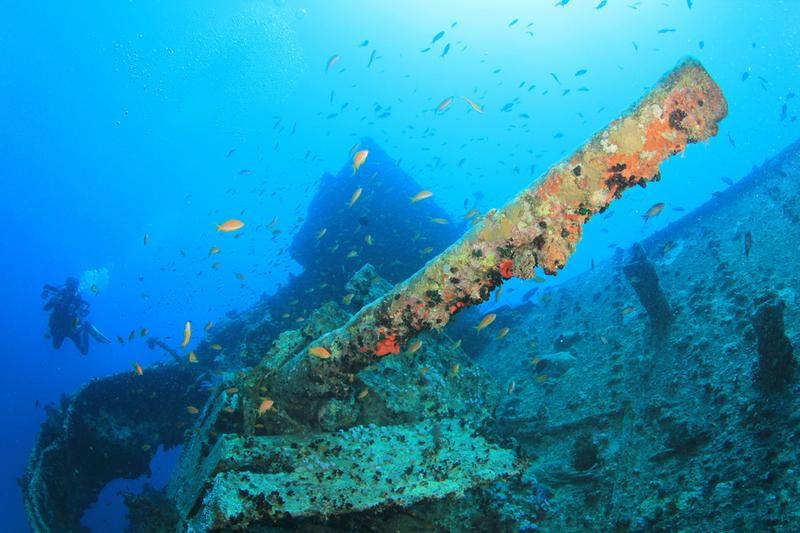 A quick word about the place...Flag as inappropriate ›Ras Mohammad is a national park in Egypt at the southern extreme of the Sinai Peninsula, overlooking the Gulf of Suez on the west and the Gulf of Aqaba to the east. Ras Mohammad encompasses two islands, Tiran and Sanafir. Tiran Island is located approximately 6 km offshore from the Sinai Peninsula. Underwater caves formed as the result of earthquakes are located in Ras Mohammad. About 0.9 hectare of mangrove forest cover a 1.15 km shallow channel at the southernmost end of Ras Mohammad peninsula. Near the mangrove and approximately 150 m inland, there are open cracks in the land, caused by earthquakes. One of the cracks is approximately 40 m length and 0.20−1.5 m in width. Within the cracks, there are pools of water, some with a depth of over 14 m. The inland area includes a diversity of desert habitats such as mountains and wadis, gravel and coastal mud plains and sand dunes. The area also plays a role in bird...SHOW MORE
 -
Dive Sipadan Island, Malaysia
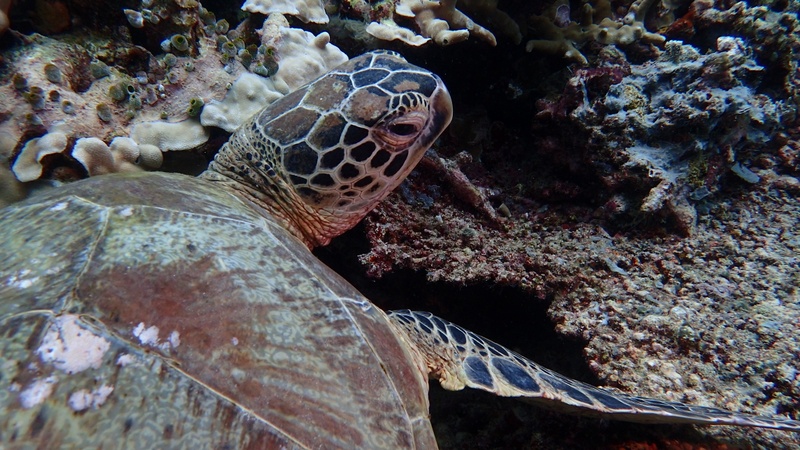 A quick word about the place...Flag as inappropriate ›Sipadan is the only oceanic island in Malaysia, rising 600 metres (2,000 ft) from the seabed. It is located in the Celebes Sea off the east coast of Sabah, East Malaysia (which is on the island of Borneo). It was formed by living corals growing on top of an extinct volcanic cone that took thousands of years to develop. Sipadan is located at the heart of the Indo-Pacific basin, the centre of one of the richest marine habitats in the world. More than 3,000 species of fish and hundreds of coral species have been classified in this ecosystem. Sipadan has been rated by many dive journals as one of the top destinations for diving in the world. Frequently seen in the waters around Sipadan: green and hawksbill turtles (which mate and nest there), enormous schools of barracuda in tornado-like formations as well as large schools of big-eye trevally, and bumphead parrotfish. Pelagic species such as manta rays, eagle rays, scalloped...SHOW MORE
 -
Wreck Dive Chuuk Lagoon (Truk Atoll), Fujikawa Maru, Micronesia
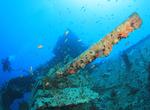
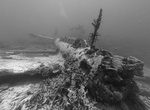
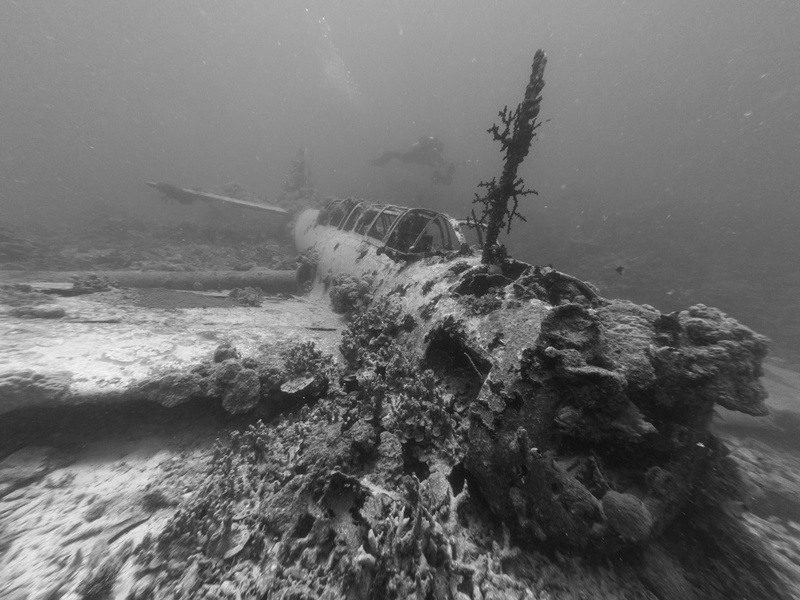 A quick word about the place...Flag as inappropriate ›In 1969, French oceanographer Jacques Cousteau and his team explored Truk Lagoon. Following Cousteau's 1971 television documentary about the lagoon and its ghostly remains, the place became a scuba diving paradise, drawing wreck divingenthusiasts from around the world to see its numerous, virtually intact sunken ships. The shipwrecks and remains are sometimes referred to as the "Ghost Fleet of Truk Lagoon". Scattered mainly around the Dublon, Eten, Fefan and Uman islands within the Truk group, a number of the shipwrecks lie in crystal clear waters less than fifteen meters below the surface. In waters devoid of normal ocean currents, divers can easily swim across decks littered with gas masks and depth charges and below deck can be found numerous human remains. In the massive ships' holds are row upon row of fighter aircraft, tanks, bulldozers, railroad cars, motorcycles, torpedoes, mines, bombs, boxes of munitions, radios...SHOW MORE
 -
Dive with Great White Sharks off Gansbaai, South Africa
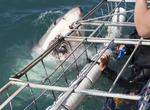
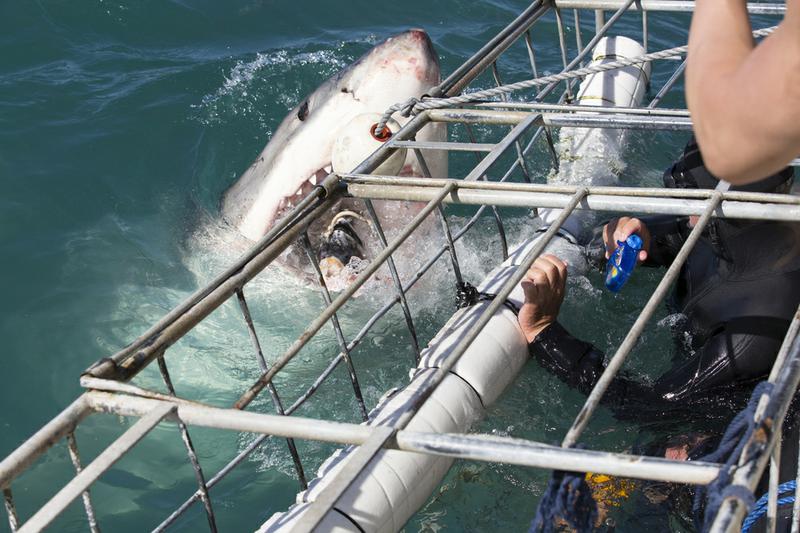 A quick word about the place...Flag as inappropriate ›Gansbaai ("bay of geese," sometimes referred to as Gans Bay) is a fishing village and popular tourist destination in the Overberg District Municipality, Western Cape, South Africa. It is known for its dense population of Great White Sharks and as a whale-watching location. The main tourist attraction in Gansbaai since approximately 1995 has been cage diving with Great White sharks. It is said that after Kruger National Park, the Great White sharks attract some of the highest number of tourist to South Africa for any singular activity. At the tip of Danger Point Peninsula is the Danger Point Lighthouse. Just a mile offshore is the Birkenhead Rock, place of doom of the HMS Birkenhead which wrecked in clear view of the coast with the loss of many lives of young English soldiers on their way to fight the Zulus. The hinterland of Danger-Point-Peninsula is a mosaic of different habitats of the remarkable Cape Floral Kingdom...SHOW MORE
 -
Dive Great Blue Hole, Belize (UNESCO site)
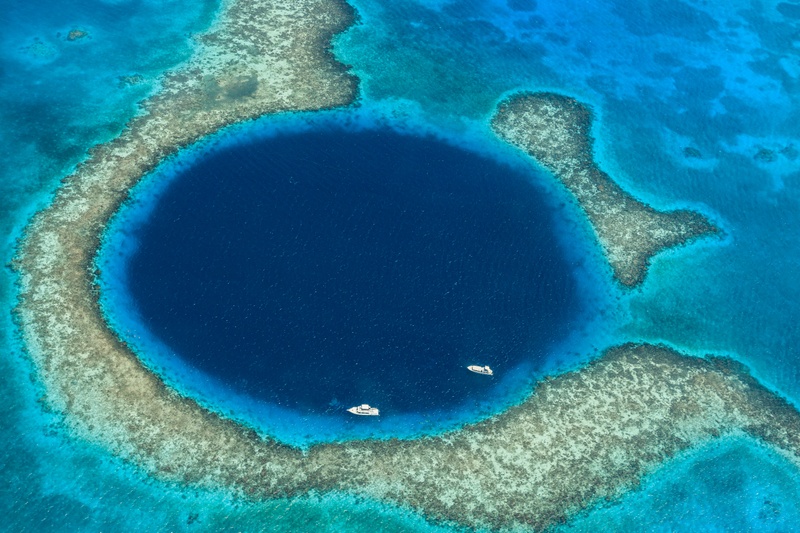 A quick word about the place...Flag as inappropriate ›The Great Blue Hole is a large underwater sinkhole off the coast of Belize. It lies near the center of Lighthouse Reef, a small atoll 70 kilometres (43 mi) from the mainland and Belize City. The hole is circular in shape, over 300 metres (984 ft) across and 124 metres (407 ft) deep. It was formed during several episodes of Quaternary glaciation when sea levels were much lower - the analysis of stalactites found in Great Blue Hole shows that formation has taken place 153,000, 66,000, 60,000, and 15,000 years ago. As the ocean began to rise again, the caves were flooded. The Great Blue Hole is a part of the larger Belize Barrier Reef Reserve System, a World Heritage Site of the United Nations Educational, Scientific and Cultural Organization (UNESCO). This is a popular spot amongst recreational scuba divers, who are lured by the opportunity to dive in crystal-clear water and meet several species of fish, including giant...SHOW MORE
 -
Dive or Snorkel with Manta Rays off Kona Coast, Big Island, Hawaii
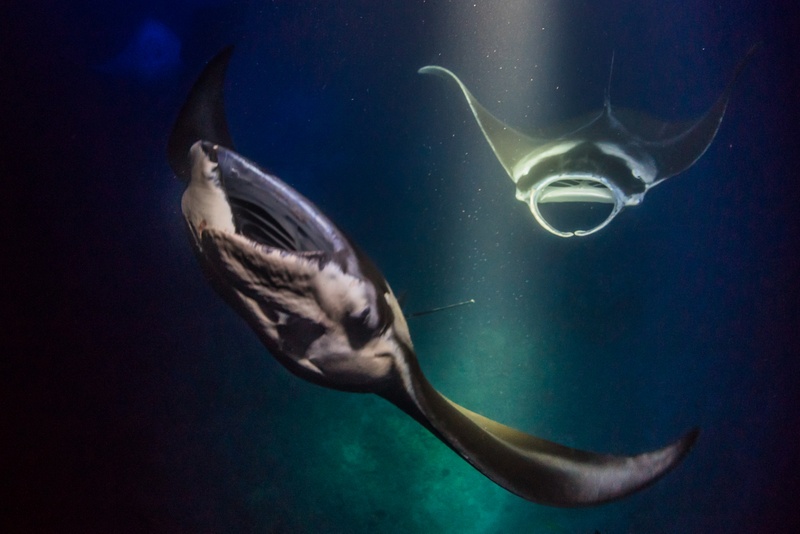 A quick word about the place...Flag as inappropriate ›Occasionally man and nature interact in a way that creates opportunities that would not otherwise be possible. On the Big Island of Hawaii’s Kona Coast hotels shine flood lights on the water after sunset to the delight of their guests. Over the years these lights have attracted schools of plankton which in turn have beckoned giant Manta Rays (in a natural complement to the food chain) that think of the microscopic plankton as a delicacy. Divers have discovered the phenomena and armed with lights of their own, are able to observe the gentle giants feeding in the artificial light against the background of darkness creating an unforgettable experience. The guided dives accommodate snorkelers as well as those equipped with SCUBA. The SCUBA divers assume a position near the sandy bottom and shine their individual torches upwards while the snorkelers shine their lights down in cooperative harmony. In addition to the massive...SHOW MORE
Check out other Dreams from this list