Give us feedback!
Visit Top 10 Canadian National Parks
›Go to Dream PageDream out of
Stats for this Dream
On Your list: -
Your Check-offs: -
Friends with Dream: 0
Total Check-offs: -
Advertisement
-
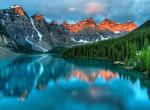
Explore Banff National Park, Canada (UNESCO site)
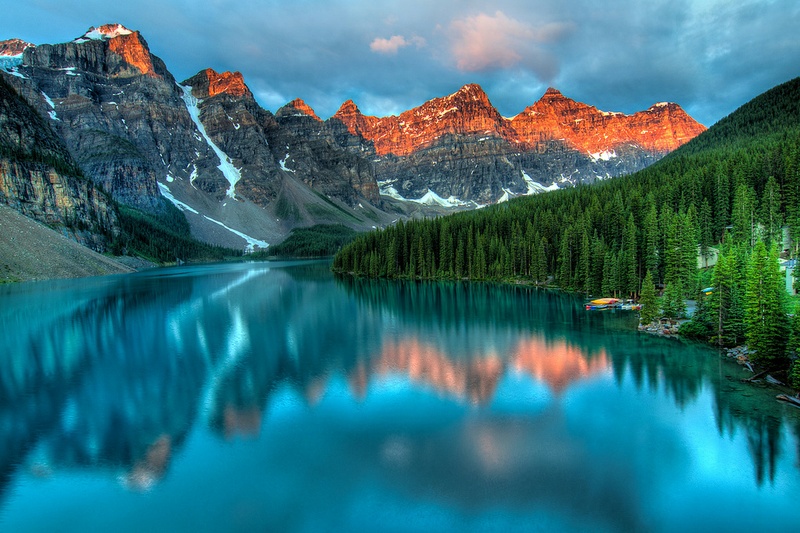 A quick word about the place...Flag as inappropriate ›Banff National Park on the eastern slopes of Alberta's Rocky Mountains was Canada’s first (and the world’s 3rd) national park. While the park is a year round destination with nearly every type of recreation option available the park boasts a number of locations that attract skiers and snowboarders during winter. Uncrowded lifts and mile after mile of snowy mountain trails and backcountry options make Banff a wintertime mecca. Banff National Park is Canada's oldest national park, established in 1885 in the Rocky Mountains. The park, located west of Calgary in the province of Alberta, encompasses (2,564 sq mi) of mountainous terrain, with numerous glaciers and ice fields, dense coniferous forest, and alpine landscapes. The Icefields Parkway extends from Lake Louise, connecting to Jasper National Park in the north. Provincial forests and Yoho National Park are neighbours to the west, while Kootenay National Park...SHOW MORE
 -
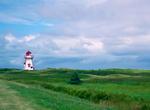
Explore Prince Edward Island National Park, Canada
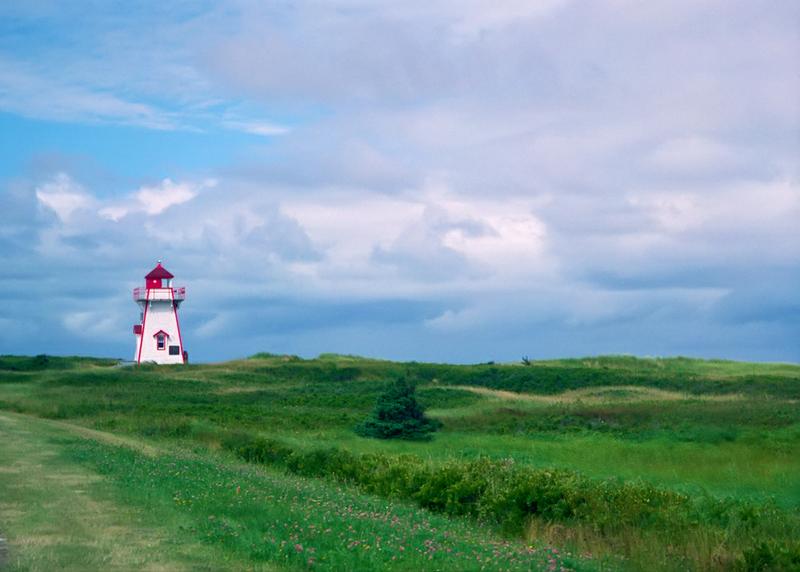 A quick word about the place...Flag as inappropriate ›Prince Edward Island National Park is a National Park located on Prince Edward Island. Situated along the island's north shore, fronting the Gulf of St. Lawrence, the park measures approximately 60 km in length and ranges from several hundred metres to several kilometres in width. Established in 1937, the park's mandate includes the protection of many broad sand beaches, sand dunes and both freshwater wetlands and saltmarshes. The park's protected beaches provide nesting habitat for the endangered Piping Plover; the park has been designated a Canadian Important Bird Area. An extension was added to the park in 1998 when an extensive sand dune system in Greenwich was transferred from the provincial government to Parks Canada. The Prince Edward Island National Park also includes Green Gables, which was the childhood inspiration for the Anne of Green Gables novels by author Lucy Maud Montgomery, as well as Dalvay-by-the-sea, a...SHOW MORE
 -
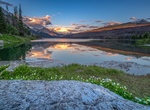
Explore Jasper National Park, Alberta, Canada (UNESCO site)
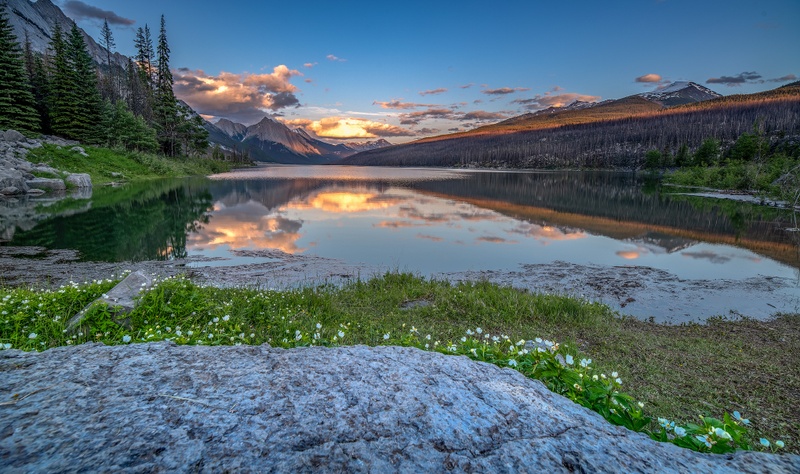 A quick word about the place...Flag as inappropriate ›Jasper National Park in Alberta is one of Canada’s oldest and largest national parks. Jasper has become a popular getaway from urban life and a special place to reconnect with nature. Jasper features some stunning scenic drives, but its real essence is a world where grizzly bears, moose and elk outnumber people. The park’s superlative mountain scenery of towering peaks, glaciers, flower-filled meadows, and roaring rivers can be explored on 620 miles of trails for hiking and biking. The park is located in the province of Alberta, north of Banff National Park and west of the City of Edmonton. The park includes the glaciers of the Columbia Icefield, hot springs, lakes, waterfalls and mountains. This park was declared a UNESCO World Heritage Site in 1984, together with the other national and provincial parks that form the Canadian Rocky Mountain Parks. Some of the park's scenic attractions include Mount Edith...SHOW MORE
 -
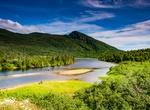
Explore Gros Morne National Park, Canada (UNESCO site)
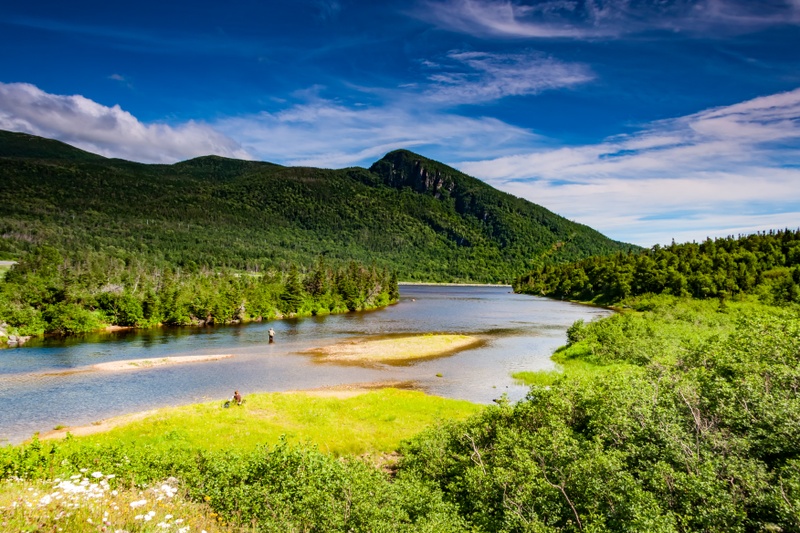 A quick word about the place...Flag as inappropriate ›Dynamic forces of Earth are on display at Gros Morne National Park in Newfoundland protecting land that was shaped 450 million years ago by movement of the planet’s tectonic plates. An area of great natural beauty with a rich variety of scenery, wildlife and recreational activities Gros Morne provides opportunities for visitors to hike through wild, uninhabited mountains and camp by the ocean. Boat tours provide access under the towering cliffs of a freshwater fjord carved out by glaciers. Waterfalls, marine inlets, sea stacks, sandy beaches, and colorful fishing villages complement the natural and cultural surroundings of Gros Morne National Park of Canada.
 -
Explore St. Lawrence Islands National Park, Ontario, Canada
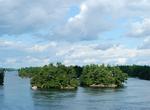
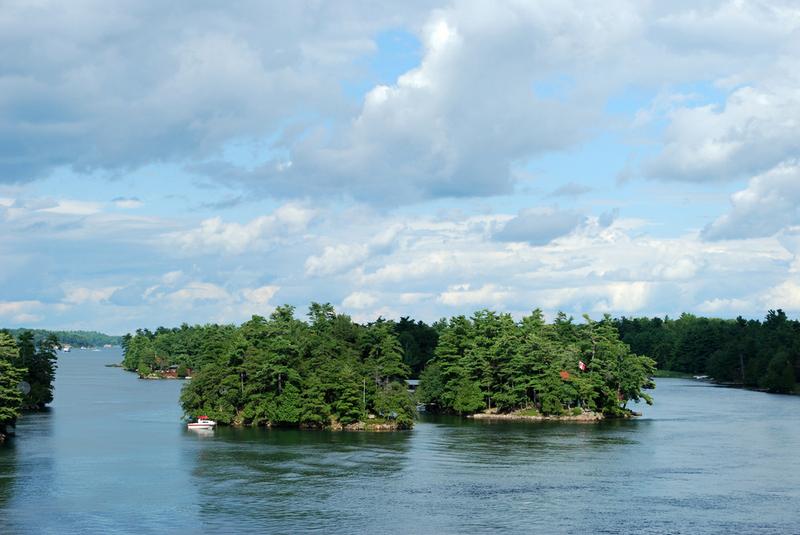 A quick word about the place...Flag as inappropriate ›St. Lawrence Islands National Park (established 1904) is located in the Thousand Islands Region of the Saint Lawrence River. The islands are actually the worn-down tops of ancient mountains. This region, the Frontenac Axis, connects the Canadian Shield from Algonquin Park in Ontario to the Adirondack Mountains in New York. The park consists of 21 islands plus many smaller islets, 2 mainland properties and a visitor centre at Mallorytown, Ontario on the mainland. This is Canada's third smallest national park with a total area of 24.4 km². Much of the park is only accessible by boat. There are picnic facilities and limited camping facilities on several islands. Trail systems can be found on the mainland along the Thousand Islands Parkway at Jones Creek and Landon Bay. The Frontenac Arch Biosphere Reserve, in which the park is located, is known as being one of the highest areas of biodiversity in Canada. The first...SHOW MORE
 -
Explore Forillon National Park, Quebec, Canada
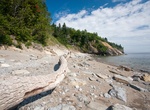
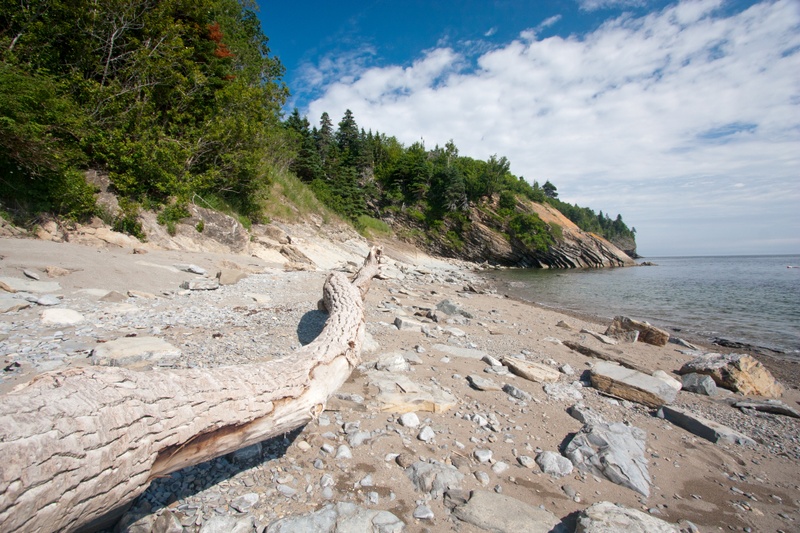 A quick word about the place...Flag as inappropriate ›At the tip of Quebec’s Gaspé Peninsula, Forillon Park is a mountainous area that borders on the Gulf of St. Lawrence and the Bay of Gaspé. Its boreal forest is home to a diverse collection of wildlife that can be easily observed. The park’s steep cliffs welcome thousands of sea birds and its shores harbor colonies of seals. Hiking trails within the confines of the park wander along at the dizzying heights of some dramatic seaside cliffs and highlands, affording spectacular views of coves, beaches and fishing villages and out to the ocean teeming with wildlife, including six different species of whales and porpoises.
 -
Explore Nahanni National Park, NWT, Canada (UNESCO site)
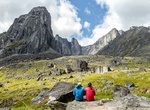
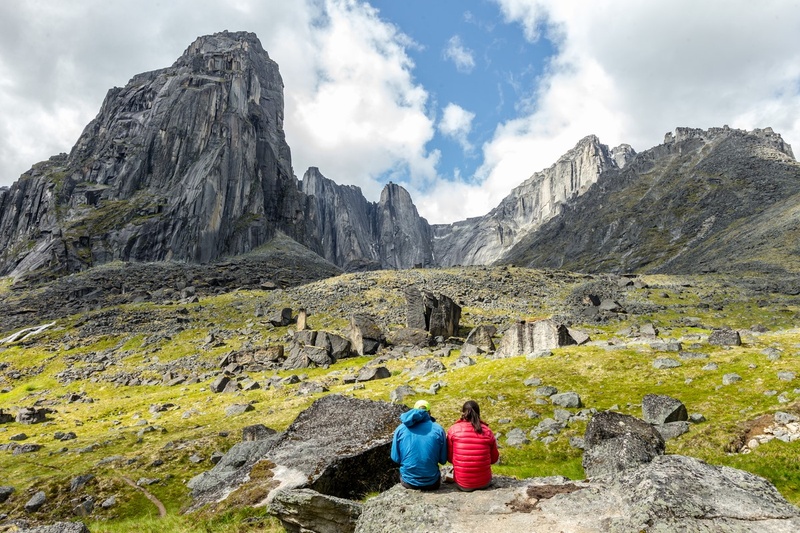 A quick word about the place...Flag as inappropriate ›Nahanni National Park’s wild rivers are a powerful magnet for canoeists, kayakers and whitewater rafters. Located in the Northern Territories the park boasts a broad array of epic river trips that can last from several days to several weeks. Nahanni protects a portion of the Mackenzie Mountains Natural Region offering visitor’s a true wilderness experience. A key feature of the park are the four great canyons that line the Naha Dehé (South Nahanni River), a spectacular whitewater river. At Nailicho (Virginia Falls) the river plunges in a crashing column of water. Hotsprings, alpine tundra, mountain ranges and forests of spruce and aspen are home to many species of birds, fish and mammals.
 -
Explore Glacier National Park, BC, Canada
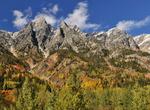
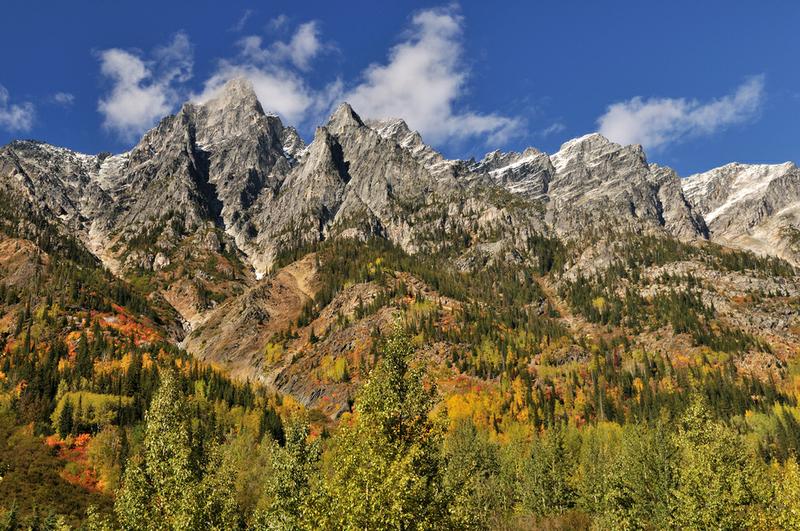 A quick word about the place...Flag as inappropriate ›Glacier National Park is one of seven national parks in British Columbia, and is part of a system of 43 parks and park reserves across Canada. It protects a portion of the Columbia Mountains. It also contains the Rogers Pass National Historic Site, designated for its importance in the construction and development of Canada's first major national transportation route. It is 1,349 km2 (521 sq mi) in area and was established in 1886. It contains extensively glaciated areas. Glaciers cover much of the challenging terrain in the park, which is dominated by 10 peaks ranging from 8,530 to 11,120 ft (2,600 to 3,390 m) in height. Steep, rugged mountains, a wide variety of plant and animal life, and a warm, moist climate are typical of this natural regions. Peaks of the Hermit Range, the Bonney and Bostock Groups, the Van Horne Range, Purity Range, Dawson Range, and the especially challenging Sir Donald Range all lie wholly or in part...SHOW MORE
 -
Explore Waterton Lakes National Park, Alberta, Canada (UNESCO site)
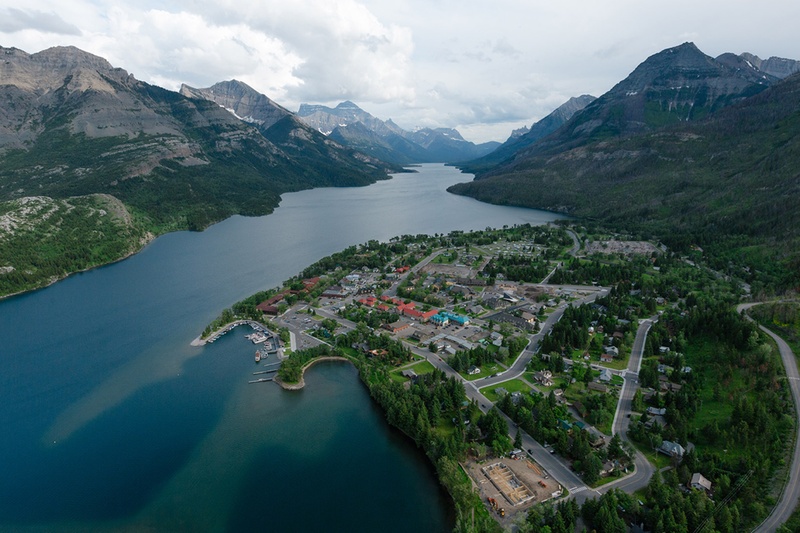 A quick word about the place...Flag as inappropriate ›Waterton Lakes National Park is a national park located in the southwest corner of Alberta, Canada, and borders Glacier National Park in Montana, USA. Waterton was Canada's fourth national park, formed in 1895 and named after Waterton Lake, in turn after the Victorian naturalist and conservationist Charles Waterton. The park contains 505 km2 (195 sq mi) of rugged mountains and wilderness. Operated by Parks Canada, Waterton is open all year, but the main tourist season is during July and August. The only commercial facilities available within the park are located at the Waterton Park townsite. The park ranges in elevation from 1,290 metres (4,232 ft) at the townsite to 2,910 m (9,547 ft) at Mount Blakiston. It offers many scenic trails, including Crypt Lake trail. In 2004, Waterton Lakes National Park had 367,500 visitors.SHOW MORE
 -
Explore Pacific Rim National Park, BC, Canada
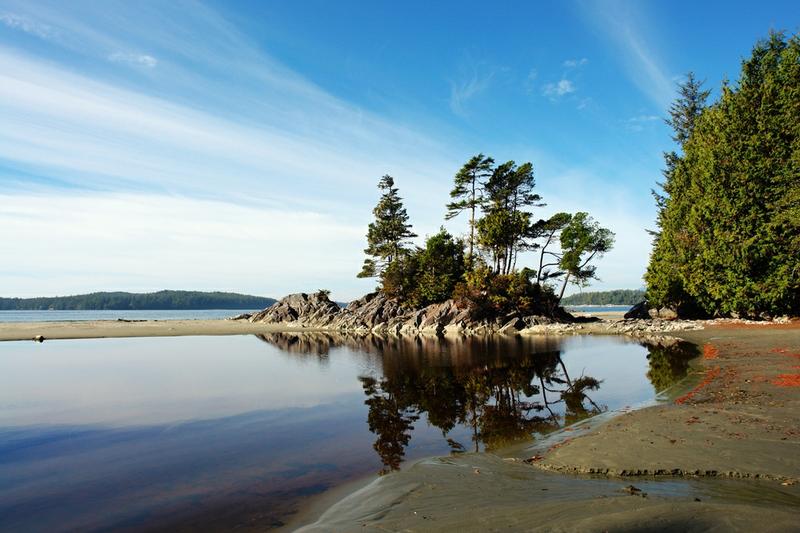 A quick word about the place...Flag as inappropriate ›Pacific Rim National Park Reserve is a Canadian national park reserve in British Columbia made up to have with parks of three separate regions: Long Beach, the Broken Group Islands, and the West Coast Trail. The entire park encompasses 511 km² (197 sq mi) of land and ocean. The park is characterized by rugged coasts and lush temperate rainforests. The park is open from mid-March until mid-October. The park encompasses a thin strip of land located on the south-west coast of Vancouver Island. To the east of the park lies the Vancouver Island Ranges of the Insular Mountains and to the west is the Pacific Ocean. During fall and winter, the area is continually subjected to moist air masses from the Pacific Ocean. The presence of the mountain ranges causes the air masses to rise and deposit large quantities of precipitation, a phenomenon known asorographic precipitation. The area averages over 3,000 mm (118 in) of precipitation...SHOW MORE
Check out other Dreams from this list