Give us feedback!
Visit Top 10 Archaeological Sites in the World
›Go to Dream PageDream out of
Stats for this Dream
On Your list: -
Your Check-offs: -
Friends with Dream: 0
Total Check-offs: -
Advertisement
-
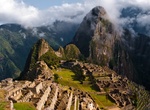
Visit Machu Picchu, Peru (UNESCO site)
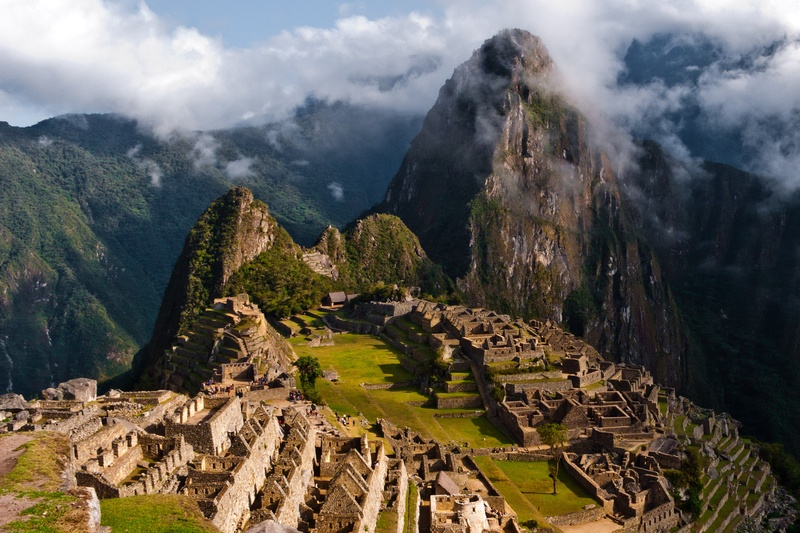 A quick word about the place...Flag as inappropriate ›Machu Picchu is a 15th century Inca “estate”, built for an Inca Emperor, situated on an incredibly scenic mountain ridge high in the Andes above the Urubamba Valley (The Sacred Valley of the Incas) in Peru, 80 kilometers northwest of Cusco. Often referred to as the “Lost City of the Incas”, Machu Picchu is frequently regarded as the best and most familiar image of the Inca world. Considered one of the New Seven Wonders of the World, Machu Picchu was named a UNESCO World Heritage Site in 1983. The buildings of Machu Picchu exhibit classic Inca architectural style known as “ashlar” with rectangular stone blocks fit together without the use of mortar. The area around Machu Picchu is prone to earthquakes and volcanic eruptions and this mortar less style of construction allowed the buildings to shift slightly during seismic occurrences without collapsing. The site consists of more than 140...SHOW MORE
 -
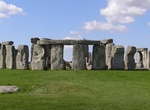
Visit Stonehenge, England (UNESCO site)
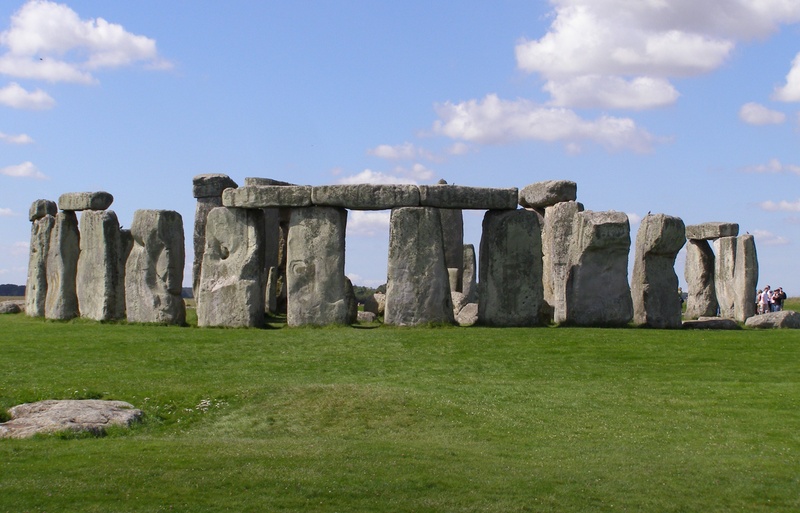 A quick word about the place...Flag as inappropriate ›Stonehenge is a prehistoric monument located in England and is one of the most famous sites in the world. Stonehenge is composed of earthworks surrounding a circular setting of large standing stones. It is at the centre of the most dense complex of Neolithic and Bronze Age monuments in England, including several hundred burial mounds. It's located in the county of Wiltshire, about 3.2 kilometres (2.0 mi) west of Amesbury and 13 kilometres (8.1 mi) north of Salisbury. Archaeologists have believed that the iconic stone monument was erected around 2500 BC, as described in the chronology below. One recent theory however, has suggested that the first stones were not erected until 2400-2200 BC, whilst another suggests that bluestones may have been erected at the site as early as 3000 BC (see phase 1 below). The surrounding circular earth bank and ditch, which constitute the earliest phase of the monument, have been dated to about...SHOW MORE
 -
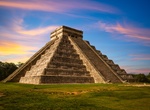
Visit Chichen-Itza, Mexico (UNESCO site)
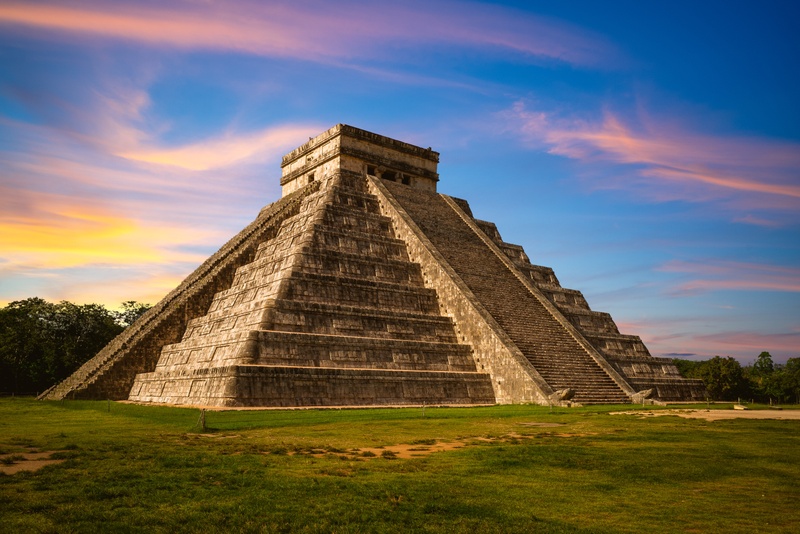 A quick word about the place...Flag as inappropriate ›Chichen Itza, located on Mexico’s Yucatan Peninsula, was a sacred site and one of the great centers of the Mayan Empire. The stone monuments and art work left behind by the Maya and Toltec inhabitants of this Yucatan civilization that lasted for over 1,000 years act as a window to their view of the world. Among the masterpieces of construction and Mesoamerican architecture are the Great Ball Court, the Temple of Kulkulkan (a Mayan Pyramid also known as El Castillo) and the Temple of Warriors located at Chichen Itza. The town of Chichen Itza was located close to nearby Cenotes that provided a source of fresh water tapped by the inhabitants. The pre-Hispanic civilizations are believed to have begun to develop in this region as early as the 5th century with evidence of their successors continuing to occupy the ancient town as late as the 16th century when the local inhabitants were overwhelmed by the Spanish Conquest of...SHOW MORE
 -
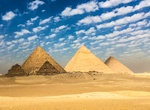
See Pyramids of Giza, Egypt (UNESCO site)
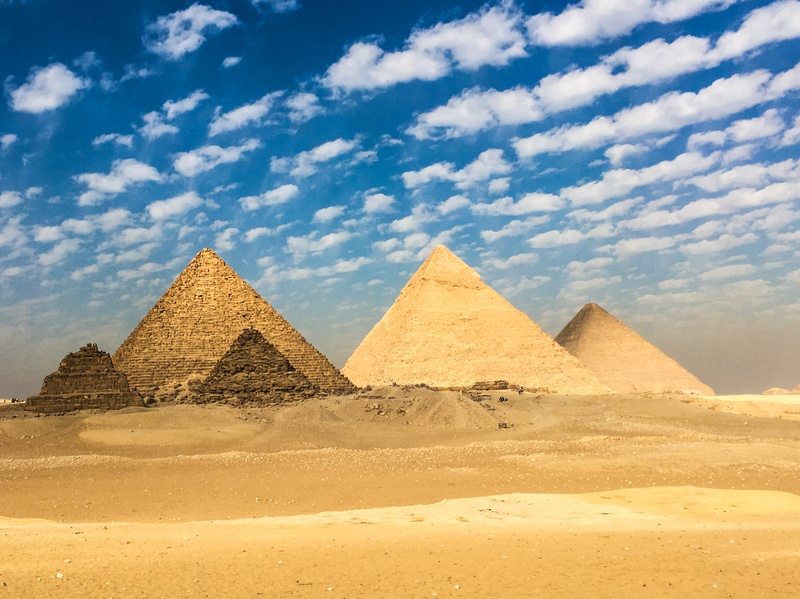 A quick word about the place...Flag as inappropriate ›In the city of Giza, near the outskirts of Cairo in Egypt lies an ancient complex of unbelievable architectural achievement known the world over as “The Great Pyramids”. The collection of these ancient marvels includes three giant pyramids: the largest known as the Pyramid of Khufu in recognition of the Egyptian ruler to be entombed therein; nearby lies the Pyramid of Khafre, next in size and the Pyramid of Menkaure, the smallest of the three giants. The Pyramid of Khafre is often photographed with the iconic Sphinx directly adjacent, thought to be modeled after the Pharoah Khafre. Scattered about the complex are numerous smaller pyramids built for the spouses of the Pharoahs honored by the Great Pyramids. Long considered one of the Seven Wonders of the ancient World and a UNESCO World Heritage Site, the Great Pyramids are a must on antiquity tours making their way up and down the Nile River. Often thought of as...SHOW MORE
 -
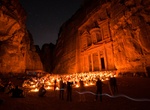
Visit Petra, Jordan (UNESCO site)
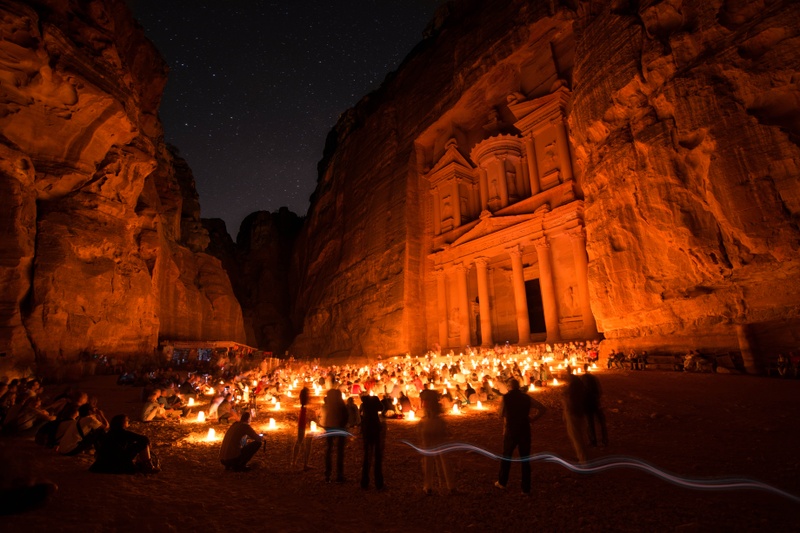 A quick word about the place...Flag as inappropriate ›Petra, Jordan is a city that is literally carved from rock. Known as the “Rose-Red City”, Petra takes its nickname from the hue of the rock of which its famous buildings and monuments were crafted by the Nabataeans, an industrious Arab people that inhabited this part of Jordan more than 2,000 years ago. Entry to Petra is through the Siq, a narrow gorge over 1 km in height, flanked on each side by soaring cliffs made of dazzling rock formations and hiding the entry to Al-Kahzneh, a massive façade carved from dusty pink sheer rock. The Al-Kahzneh was created as a tomb for a Nabataean King in the first century and is a perfect example of the engineering genius of the Nabataeans. Once inside the Siq, visitors enter the Petra valley. There are no motorized vehicles allowed past the Siq, into the valley. Walking is the primary method of touring but horses and horse drawn carriages are available to hire for...SHOW MORE
 -
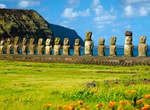
Visit Easter Island (Rapa Nui), Chile (UNESCO site)
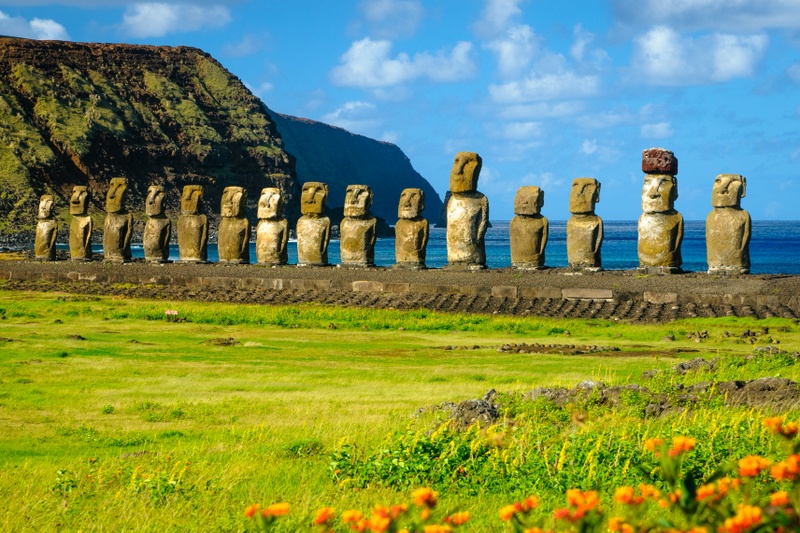 A quick word about the place...Flag as inappropriate ›A UNESCO world heritage site, Easter Island (or Rapa Nui as is its indigenous name) presents unique and imaginative shrines, sculptures and monuments developed by native people without outside influence. For nearly 600 years beginning in the 11th century AD, these islanders of Polynesian descent erected enormous stone figures known as Moai, believed to be representative of the inhabitants’ ancient ancestors, that continue to fascinate all that choose to visit and observe. While it is widely believed that the first settlors of Rapa Nui arrived about 1700 years ago, probably from the Marquesas, the population and resultant development had its most explosive growth during the approximate 600 year span when the unique architecture and carvings were created. Given the massive dimensions of many of the Moai statues, numerous theories exist as to how the monuments were carved out of mostly volcanic rock and then...SHOW MORE
 -
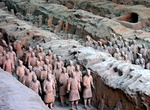
See Terra Cotta Warriors, Xi'an, China (UNESCO site)
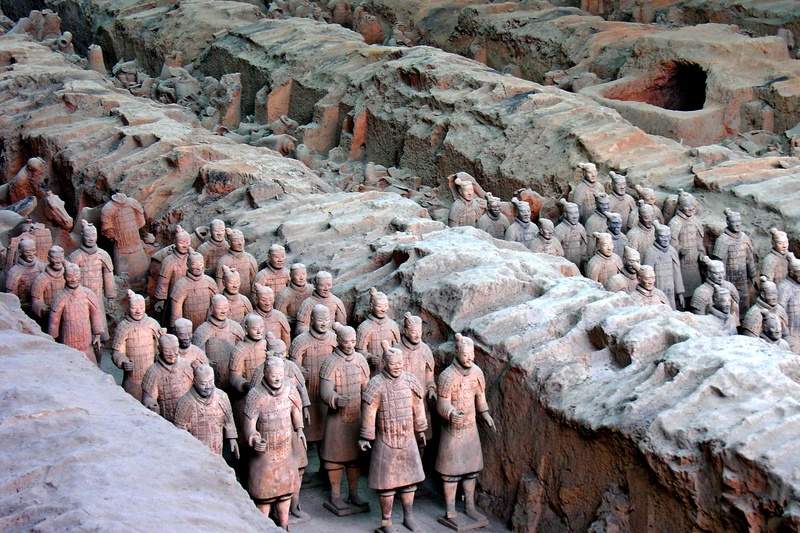 A quick word about the place...Flag as inappropriate ›The Terracotta Army or the "Terra Cotta Warriors and Horses", is a collection of terracotta sculptures depicting the armies of Qin Shi Huang, the first Emperor of China. The figures, dating from 210 BC, were discovered in 1974 by some local farmers in Lintong District, Xi'an, Shaanxi province, near the Mausoleum of the First Qin Emperor. The figures vary in height, according to their roles, with the tallest being the generals. The figures include warriors, chariots, horses, officials, acrobats, strongmen and musicians. Current estimates are that in the three pits containing the Terracotta Army there were over 8,000 soldiers, 130 chariots with 520 horses and 150 cavalry horses, the majority of which are still buried in the pits. The Terracotta Army was discovered in the spring of 1974 in the eastern suburbs of Xi'an, Shaanxi Province by a group of farmers who were digging a water well 1.5 miles (2.4 km) east of Mount Li. The...SHOW MORE
 -
Visit Pompeii, Herculaneum and Torre Annunziata, Italy (UNESCO sites)
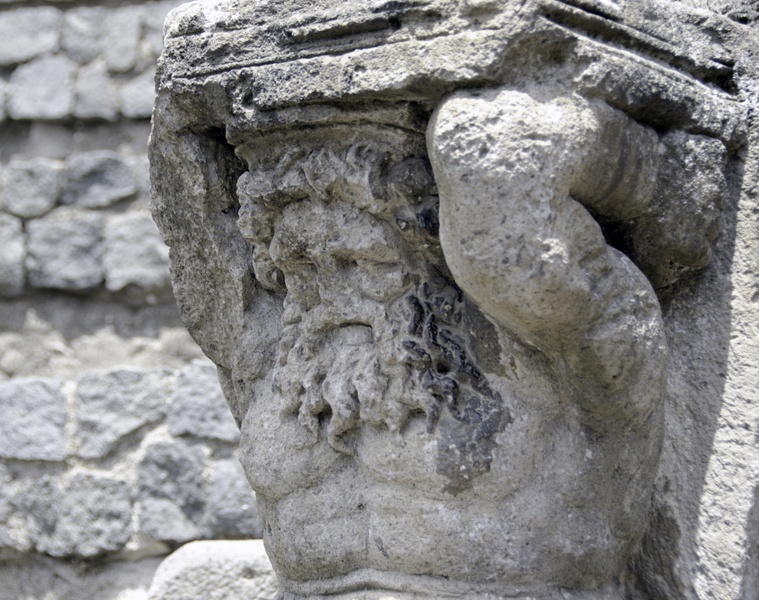 A quick word about the place...Flag as inappropriate ›The city of Pompeii is a partially buried Roman town-city near modern Naples in the Italian region of Campania, in the territory of the comune of Pompei. Along with Herculaneum, its sister city, Pompeii was destroyed and completely buried during a long catastrophic eruption of the volcano Mount Vesuvius spanning two days in 79 AD. The eruption buried Pompeii under 4 to 6 meters of ash and pumice, and it was lost for over 1,500 years before its accidental rediscovery in 1599. Since then, its excavation has provided an extraordinarily detailed insight into the life of a city at the height of the Roman Empire. Today, this UNESCO World Heritage Site is one of the most popular tourist attractions of Italy. Herculaneumis famous as the source of the first Roman skeletal and physical remains available for study that were located by science, for the Romans almost universally burned their dead. Since the discovery of bones in 1981, some...SHOW MORE
 -
Visit Temples of Khajuraho, India (UNESCO site)
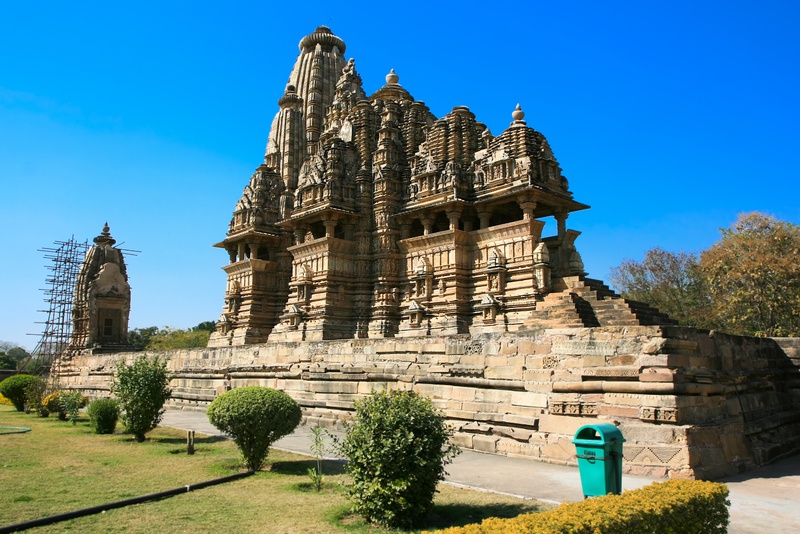 A quick word about the place...Flag as inappropriate ›The Khajuraho Group of Monuments is a group of Hindu and Jain temples in Madhya Pradesh, India. About 620 kilometres (385 mi) southeast of New Delhi, they are one of the UNESCO World Heritage Sites in India. The temples are famous for their Nagara-style architectural symbolism and their erotic sculptures. Most Khajuraho temples were built between 950 and 1050 AD, during the Chandela dynasty. Historical records note that Khajuraho temple site had 85 temples by 12th century, spread over 20 square kilometers. Of these, only about 20 temples have survived, spread over 6 square kilometers. Of the various surviving temples, the Kandariya temple is decorated with a profusion of sculptures with intricate details, symbolism and expressiveness of ancient Indian art. The Khajuraho group of temples were built together but were dedicated to two schools of Hinduism and to Jainism - suggesting a tradition of acceptance and respect for...SHOW MORE
 -
See Angkor Wat, Cambodia (UNESCO site)
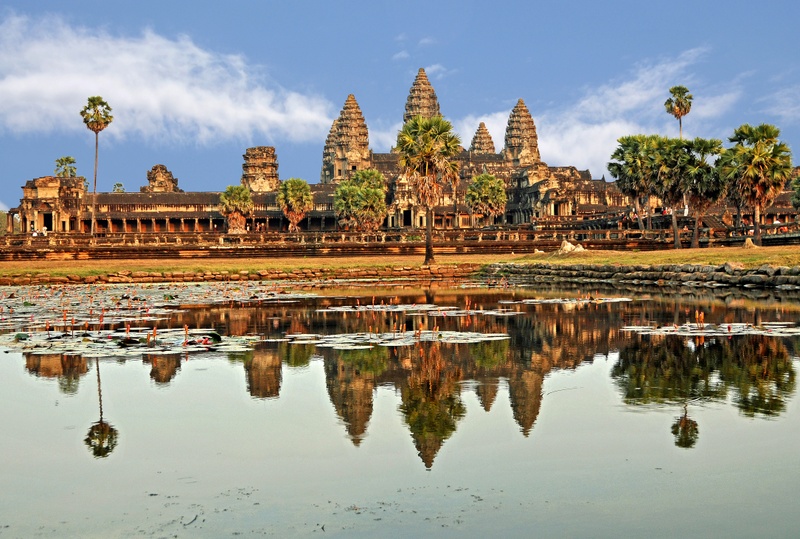 A quick word about the place...Flag as inappropriate ›The temples of Angkor, Cambodia were built by the Khmer civilization between the 9th and the 15th centuries. The remaining structures display one of man’s most astonishing and enduring architectural achievements. The Khmer Kings ruled over a vast domain that reached from Vietnam to China then to the Bay of Bengal from Angkor. The more than 100 stone structures one sees at Angkor today are the surviving remains of a grand religious, social and administrative metropolis that once included many other buildings such as palaces, public buildings and homes built of wood that have long since decayed and disappeared. The Angkor Archaeological Park contains the magnificent relics tucked into a heavily forested area. Angkor Wat (Wat denotes “capital temple”) was developed during the early years of the 12th century by Suryavaram II in the classic Khmer architectural style. The Temple honors the Hindu god Vishnu and is a...SHOW MORE
Check out other Dreams from this list