Give us feedback!
Visit the Top 20 UNESCO World Heritage Sites
›Go to Dream PageDream out of
Stats for this Dream
On Your list: -
Your Check-offs: -
Friends with Dream: 0
Total Check-offs: -
Advertisement
-
Explore Grand Canyon National Park, Arizona (UNESCO site)
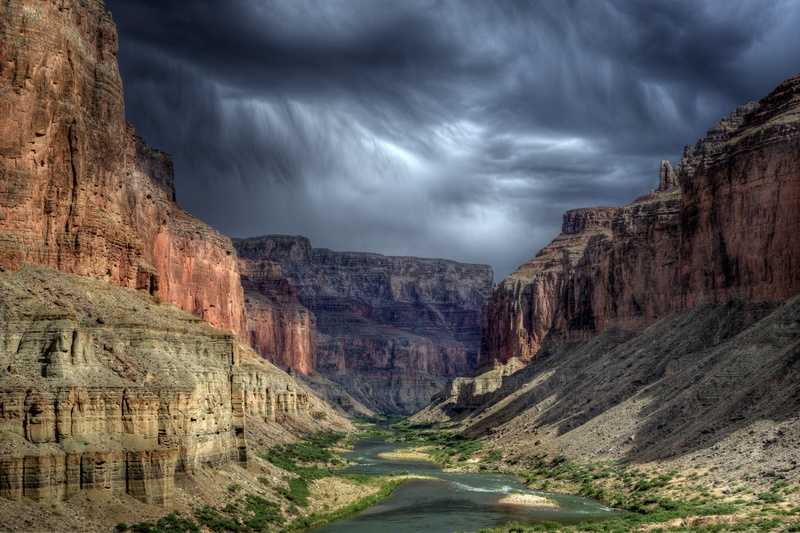 A quick word about the place...Flag as inappropriate ›The Grand Canyon, carved by the Colorado River over millions of years, is located in the USA’s desert Southwest. The gorge averaging 4,000 feet deep for its entire 277 miles. It is 6,000 feet deep at its deepest point and 18 miles at its widest. The Grand Canyon National Park is divided by the river into the North Rim and South Rim. Visitors viewing the magnificent gorge from either rim observe impressive waterfalls and buttes, spires and mesas that are in fact mountains viewed from above. The strata revealed by the cut made from the flowing river reveals over 2 Billion years of the earth’s geological development. The massive gorge and the relentless river that created it winds its way through a broad spectrum of climactic and habitat zones, from alpine to desert. Within the magnificent park are found over 1,000 plant species (11 of which are considered “threatened”), 76 mammal species, nearly 300...SHOW MORE
 -
Walk on the Great Wall, China (UNESCO site)
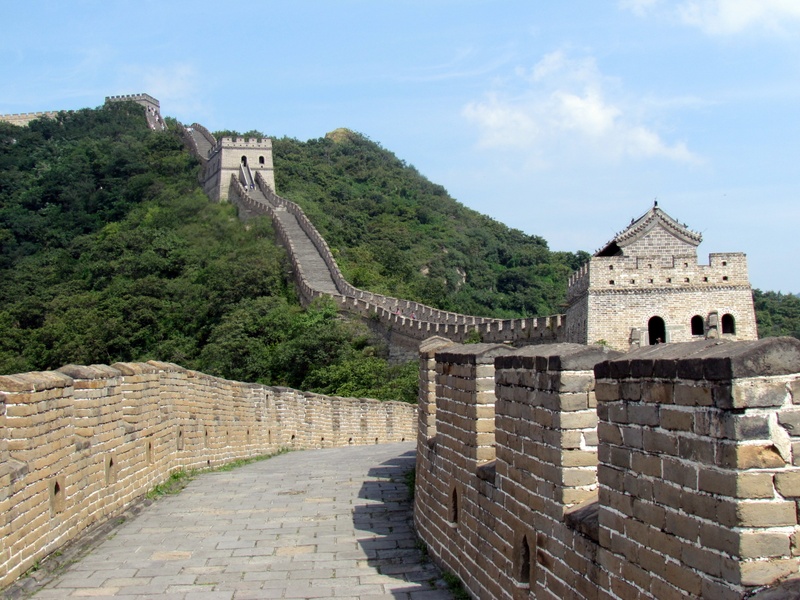 A quick word about the place...Flag as inappropriate ›The Great Wall, known to the Chinese as the “Long Wall of Ten Thousand Li”, is a magnificent defensive structure built to ward off invasions of the Celestial Empire by barbarians. The roots of the fortification’s construction stretch back nearly 3,000 years. Approximately 2,300 years ago the Emperor, Qin Shi Huang, instigated the linking and restoration of several independent walls originally built to protect the empire from intruders to the north. An additional 5,600 kilometers were added to the length of the wall during the Ming Dynasty. At strategic points along the Great Wall fortresses, passageways to quickly move troops, and significant monuments were built into this ancient engineering achievement with the purpose of defending China against military aggression as well as assaults on its cultural independence. The entire system stretches nearly 9,000 kilometers which includes trenches and other natural...SHOW MORE
 -
Visit The Colosseum, Rome, Italy (UNESCO site)
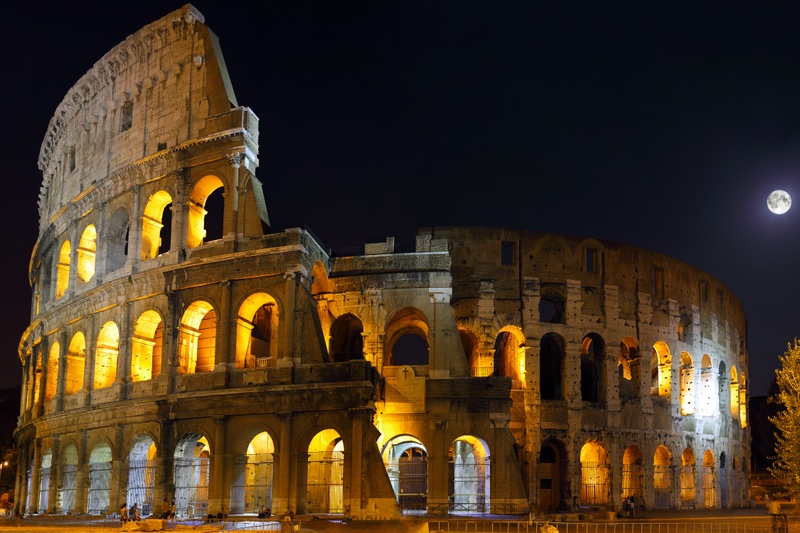 A quick word about the place...Flag as inappropriate ›The city of Rome, Italy is loaded with ancient monuments as the designation of the city center as a UNESCO World Heritage site attests. Among the Roman Baths, forums, historic markets and the Roman Forum is found the iconic Colosseum. Ancient Rome's magnificent amphitheater, capable of holding more than 50,000 people (the largest ever built in the Roman Empire), was constructed by Emperor Vespasian 80 years after the birth of Jesus Christ. The Colosseum was the scene of deadly gladiator contests, wild animal fights and other public displays. Tours of the Colosseum and the underground tunnels are popular with visitors to Rome. A museum dedicated to the Greek god Eros and his Roman counterpart, Cupid, is located on the grounds and is also a popular place for visitors to spend time. The Colosseum still plays a pivotal role in Roman Catholic ceremonies, including an important replication of the Stations of the Cross on Good Friday...SHOW MORE
 -
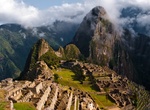
Visit Machu Picchu, Peru (UNESCO site)
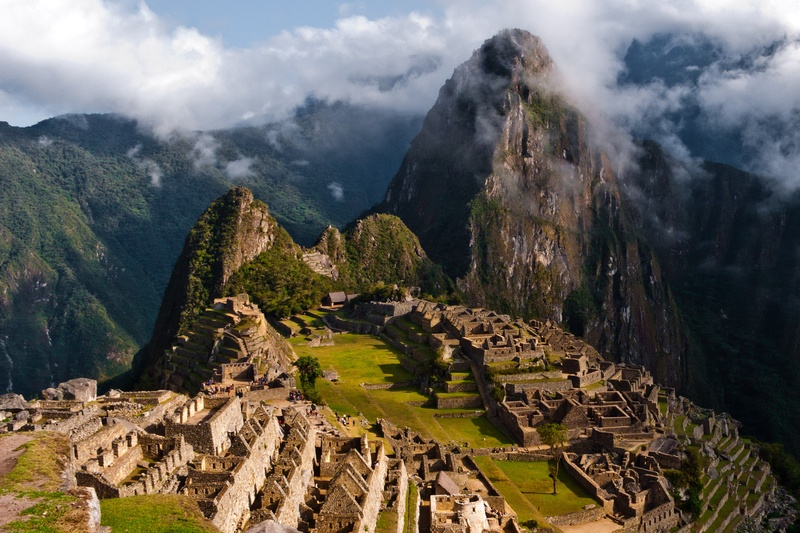 A quick word about the place...Flag as inappropriate ›Machu Picchu is a 15th century Inca “estate”, built for an Inca Emperor, situated on an incredibly scenic mountain ridge high in the Andes above the Urubamba Valley (The Sacred Valley of the Incas) in Peru, 80 kilometers northwest of Cusco. Often referred to as the “Lost City of the Incas”, Machu Picchu is frequently regarded as the best and most familiar image of the Inca world. Considered one of the New Seven Wonders of the World, Machu Picchu was named a UNESCO World Heritage Site in 1983. The buildings of Machu Picchu exhibit classic Inca architectural style known as “ashlar” with rectangular stone blocks fit together without the use of mortar. The area around Machu Picchu is prone to earthquakes and volcanic eruptions and this mortar less style of construction allowed the buildings to shift slightly during seismic occurrences without collapsing. The site consists of more than 140...SHOW MORE
 -
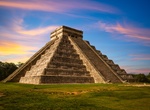
Visit Chichen-Itza, Mexico (UNESCO site)
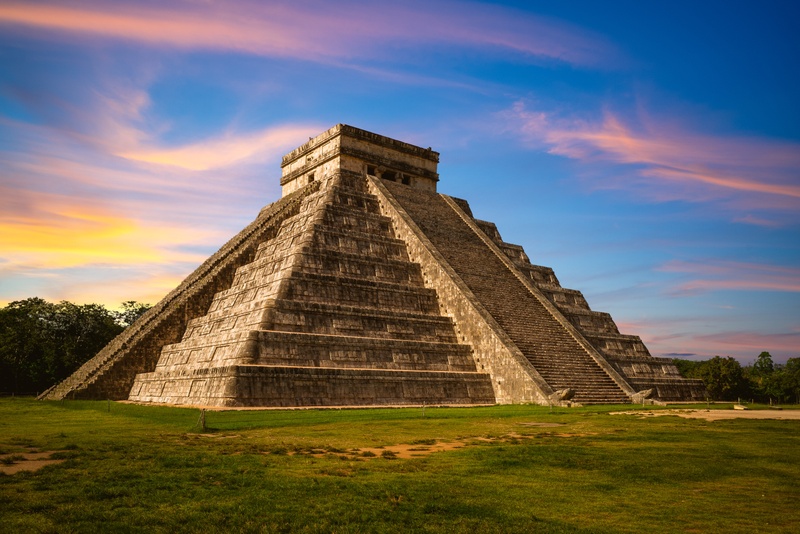 A quick word about the place...Flag as inappropriate ›Chichen Itza, located on Mexico’s Yucatan Peninsula, was a sacred site and one of the great centers of the Mayan Empire. The stone monuments and art work left behind by the Maya and Toltec inhabitants of this Yucatan civilization that lasted for over 1,000 years act as a window to their view of the world. Among the masterpieces of construction and Mesoamerican architecture are the Great Ball Court, the Temple of Kulkulkan (a Mayan Pyramid also known as El Castillo) and the Temple of Warriors located at Chichen Itza. The town of Chichen Itza was located close to nearby Cenotes that provided a source of fresh water tapped by the inhabitants. The pre-Hispanic civilizations are believed to have begun to develop in this region as early as the 5th century with evidence of their successors continuing to occupy the ancient town as late as the 16th century when the local inhabitants were overwhelmed by the Spanish Conquest of...SHOW MORE
 -
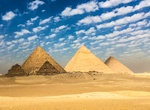
See Pyramids of Giza, Egypt (UNESCO site)
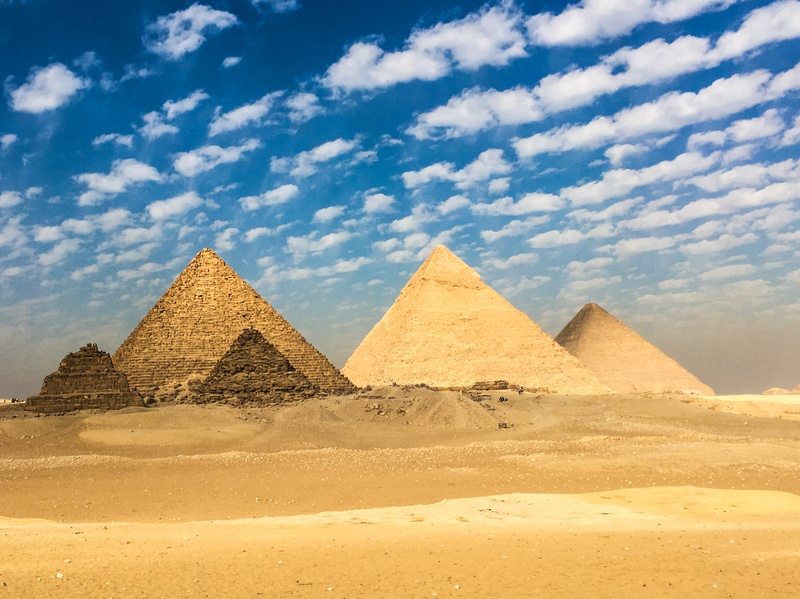 A quick word about the place...Flag as inappropriate ›In the city of Giza, near the outskirts of Cairo in Egypt lies an ancient complex of unbelievable architectural achievement known the world over as “The Great Pyramids”. The collection of these ancient marvels includes three giant pyramids: the largest known as the Pyramid of Khufu in recognition of the Egyptian ruler to be entombed therein; nearby lies the Pyramid of Khafre, next in size and the Pyramid of Menkaure, the smallest of the three giants. The Pyramid of Khafre is often photographed with the iconic Sphinx directly adjacent, thought to be modeled after the Pharoah Khafre. Scattered about the complex are numerous smaller pyramids built for the spouses of the Pharoahs honored by the Great Pyramids. Long considered one of the Seven Wonders of the ancient World and a UNESCO World Heritage Site, the Great Pyramids are a must on antiquity tours making their way up and down the Nile River. Often thought of as...SHOW MORE
 -
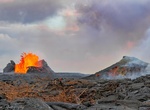
Explore Hawaii Volcanoes National Park, Hawaii (UNESCO site)
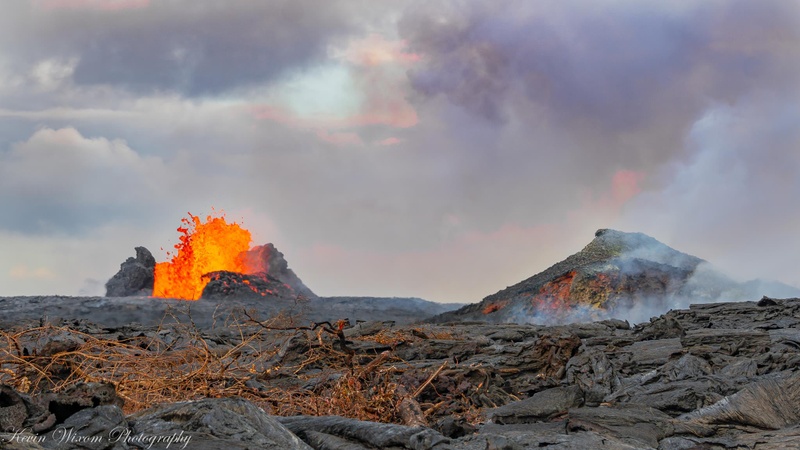 A quick word about the place...Flag as inappropriate ›Located 30 miles southwest of the city of Hilo on the Big Island of Hawaii, Volcanoes National Park contains a massive landscape that is home to one of the planet’s most active volcanoes, Kilauea. Kiluea has had more than 50 documented eruptions. The park is managed by the US National Parks Service (NPS) and is also a UNESCO World Heritage site. The park is one of the most popular visitor attractions in Hawaii and a hallowed place for Native Hawaiians. Besides the currently erupting Kilauea Volcano the park also contains the Mauna Loa Volcano which last erupted in 1984. Originally founded in 1916 as part of what was then known as Hawaii National Park, Hawaii Volcanoes National Park is what remains after the portion of the park that was located on Maui island was split off as Haleakala National Park in 1961. This 333,000 acre park stretches from the summit of Mauna Loa to the ocean, contains over 150 miles of hiking...SHOW MORE
 -
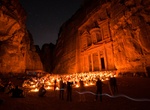
Visit Petra, Jordan (UNESCO site)
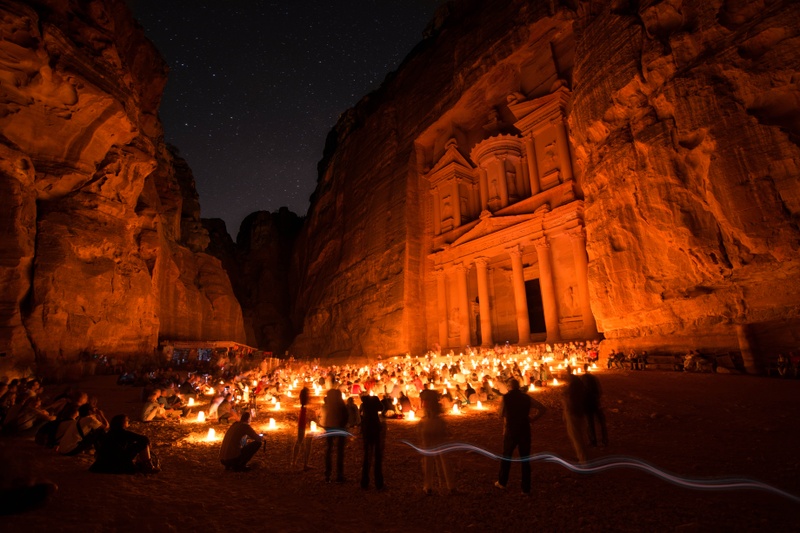 A quick word about the place...Flag as inappropriate ›Petra, Jordan is a city that is literally carved from rock. Known as the “Rose-Red City”, Petra takes its nickname from the hue of the rock of which its famous buildings and monuments were crafted by the Nabataeans, an industrious Arab people that inhabited this part of Jordan more than 2,000 years ago. Entry to Petra is through the Siq, a narrow gorge over 1 km in height, flanked on each side by soaring cliffs made of dazzling rock formations and hiding the entry to Al-Kahzneh, a massive façade carved from dusty pink sheer rock. The Al-Kahzneh was created as a tomb for a Nabataean King in the first century and is a perfect example of the engineering genius of the Nabataeans. Once inside the Siq, visitors enter the Petra valley. There are no motorized vehicles allowed past the Siq, into the valley. Walking is the primary method of touring but horses and horse drawn carriages are available to hire for...SHOW MORE
 -
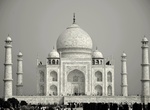
Visit Taj Mahal, India (UNESCO site)
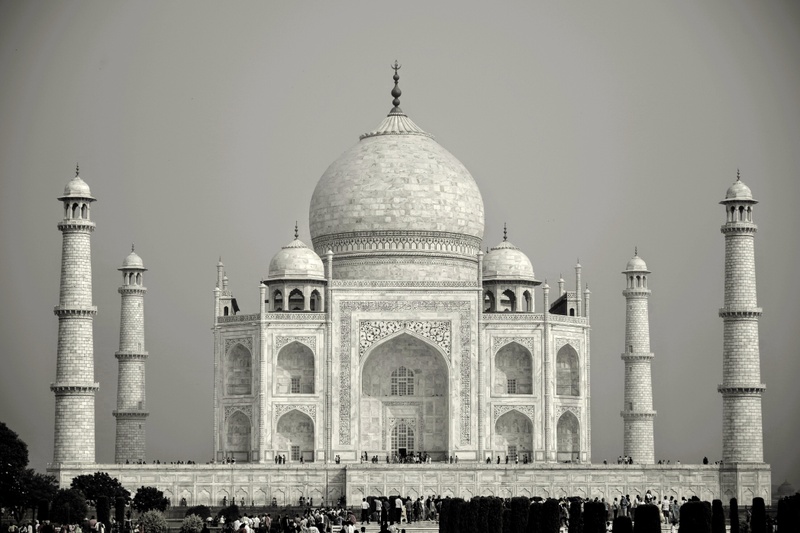 A quick word about the place...Flag as inappropriate ›The Taj Mahal is considered the jewel of Muslim art in India. This immense white marble mausoleum is a much admired memorial commissioned by Mughal Emperor, Sha Jahan to honor his favorite wife, Mumtaz Mahal after her death in 1631. The Taj Mahal is situated on the right bank of the Yumana River. It was constructed of materials brought to the site from throughout India and Asia. Precious stones inlaid the structure came from the far corners of the region, places such as Baghad, Punjab, Egypt, China, Russia, Afghanistan, Ceylon, Persia and the Indian Ocean. The Taj Mahal is a UNESCO World Heritage site and hosts millions of visitors annually to its iconic buildings and gardens. Visitors enjoy examining passages from the Muslim Quran that adorn the complex in paint, stone inlay and carvings. The impressive gardens, marble water tank and reflecting pool are also memorable components of the Taj Mahal. The complex is enclosed on...SHOW MORE
 -
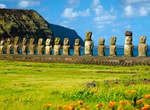
Visit Easter Island (Rapa Nui), Chile (UNESCO site)
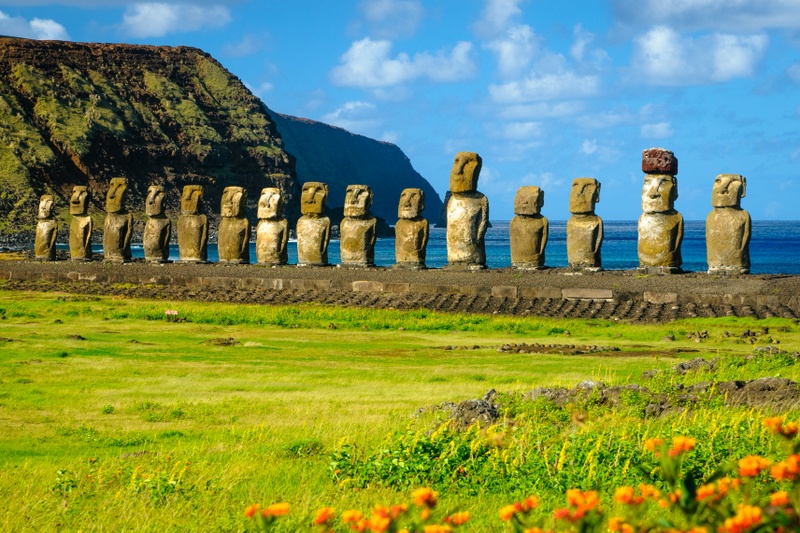 A quick word about the place...Flag as inappropriate ›A UNESCO world heritage site, Easter Island (or Rapa Nui as is its indigenous name) presents unique and imaginative shrines, sculptures and monuments developed by native people without outside influence. For nearly 600 years beginning in the 11th century AD, these islanders of Polynesian descent erected enormous stone figures known as Moai, believed to be representative of the inhabitants’ ancient ancestors, that continue to fascinate all that choose to visit and observe. While it is widely believed that the first settlors of Rapa Nui arrived about 1700 years ago, probably from the Marquesas, the population and resultant development had its most explosive growth during the approximate 600 year span when the unique architecture and carvings were created. Given the massive dimensions of many of the Moai statues, numerous theories exist as to how the monuments were carved out of mostly volcanic rock and then...SHOW MORE
 -
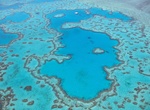
Explore Great Barrier Reef, Australia (UNESCO site)
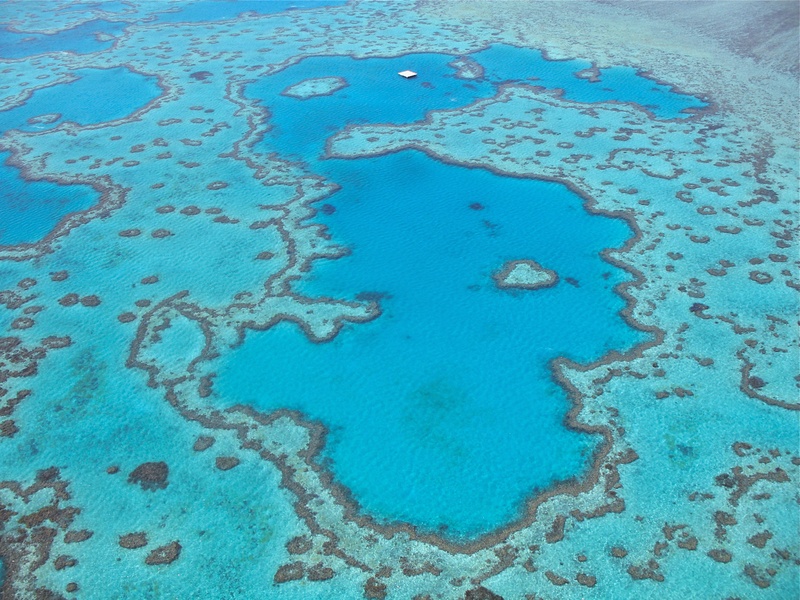 A quick word about the place...Flag as inappropriate ›The Great Barrier Reef presents incredible ecological variety and unsurpassed beauty off the north-east coast of Australia. The world's most extensive stretch of coral reefs stretches over 2,600 kilometers, contains 900 islands and cays and is most likely the richest area in terms of regional animal diversity in the world reflecting the evolution of the northeastern Australian ecosystem over millions of years. The reef contains over 1,500 fish species including whales, dolphins, dugongs, tropical fish and sea snakes. Multiple species of sea turtles, saltwater crocodiles, sharks, rays, mollusks, birds and other life forms add to the incredibly diverse collection of fauna including over 400 species of hard and soft coral, sponges, anemones, marine worms and crustaceans. Thousands of different plant species are found throughout the islands and reef systems. The Great Barrier Reef is a UNESCO World Heritage Site. A rich variety...SHOW MORE
 -
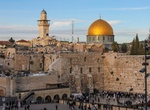
Visit Old City of Jerusalem, (UNESCO site)
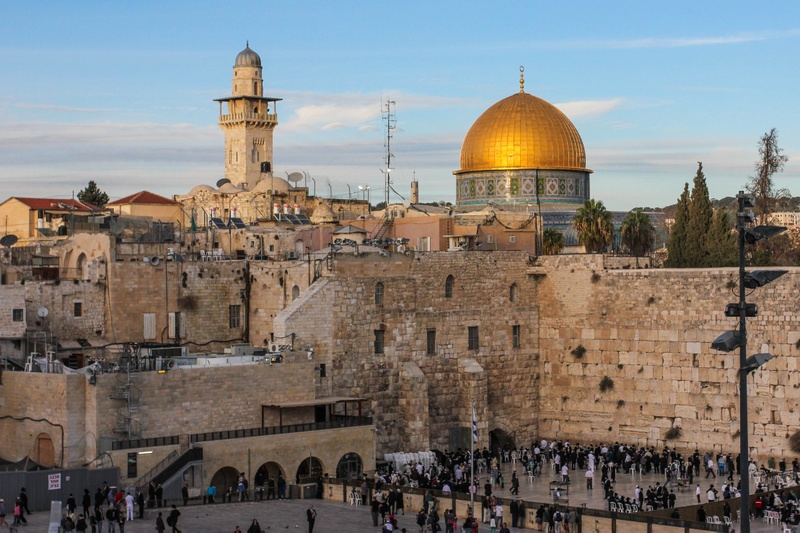 A quick word about the place...Flag as inappropriate ›Jerusalem, the capital city of Israel, is a holy city to the 3 primary religions that have the prophet Abraham at their roots; Judaism, Christianity and Islam. The city has been at the center of conflicts throughout its rich history having been completely destroyed twice. It is one of the oldest cities in the world, inhabited for over 5,000 years. As a result, many of the visitors to Jerusalem are drawn to its history and religious and cultural significance. Visitors to Jerusalem typically include a tour of the Israel Museum to visit the largest cultural institution in Israel and view its art and archaeology exhibits. The Israel Museum features the most extensive holdings of biblical and Holy Land archaeology in the world with over 500,000 objects in its collection. Next door to the Israel Museum is the Bible Lands Museum, an institution dedicated to the study of cultures in the ancient Judeo-Israelite world. The City of...SHOW MORE
 -
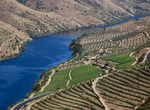
Wine Tasting in Alto Douro Wine Region, Portugal (UNESCO site)
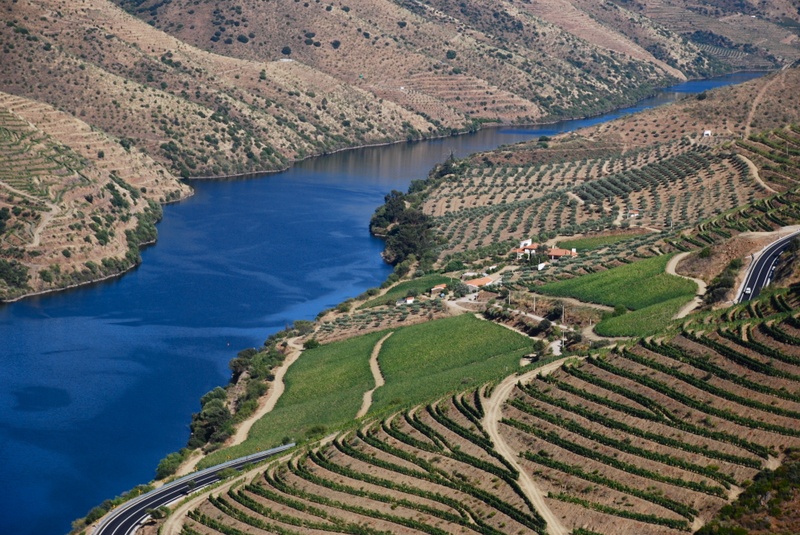 A quick word about the place...Flag as inappropriate ›Evidence exists that winemaking in this Portuguese region has been ongoing since the end of the Roman Empire in the 3rd or 4th century, A.D.. The Douro region, located along the Douro River in the northeastern corner of Portugal is thought to be one of the premier producers of Port wines in the world but also is responsible for some world class wines in other styles. The nearby city of Porto, the 2nd largest city in Portugal, provides easy access to the estates that produce extraordinary wines in this sliver of Europe. As you tour the region, absorbing the magnificent viticulture landscapes, you will experience the traditions and processes that are engrained into the locals’ winemaking way of life. Tours may be arranged that include over night stays at some of the wine estates in addition to visiting cellars for tasting. The names given to the ports (ruby, tawny, vintage) will depend on the blend of grapes and how they...SHOW MORE
 -
Visit Galápagos Islands, Ecuador (UNESCO Sites)
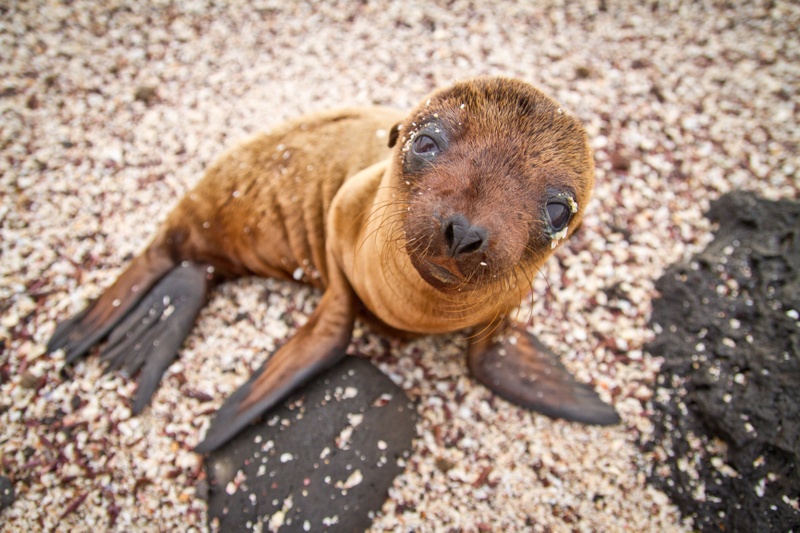 A quick word about the place...Flag as inappropriate ›The Galapagos Islands, owned by Ecuador, is an archipelago located in the Eastern Pacific Ocean serving as the background for studies by amateur and professional natural historians due to its unusual flora and fauna. The famous naturalist Charles Darwin was inspired by the Galapagos Islands as he developed his Theory of Natural Selection. The islands, volcanic in origin and somewhat barren, have been an Ecuadorian National Park since 1959. The islands are considered young from a geological perspective with active volcanic activity still occurring. Many of the islands’ plants and animals are found only in the Galapagos and nowhere else on earth. Among the animals that are easily seen from land are Sea lions, Giant Tortoises, Penguins, land and marine Iguanas and a multitude of birds, including the chronicled Blue Footed Booby. On the island of Santa Cruz is found the Charles Darwin Research Center and its tortoise...SHOW MORE
 -
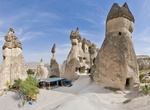
Visit Cappadocia & Göreme National Park, Turkey (UNESCO site)
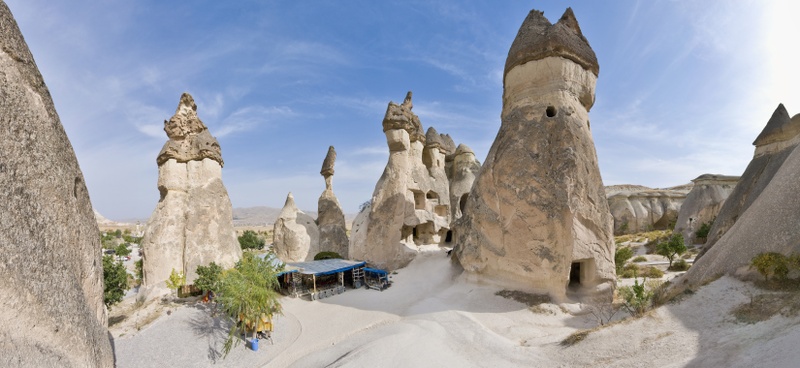 A quick word about the place...Flag as inappropriate ›Fossilized relics of a village that was part of the Byzantine Empire as long ago as the 4th century can be seen in Cappadocia, Turkey at the Goreme National Park, a UNESCO World Heritage Site. The windswept remains of the towering spires, convents, churches, pillars and dwellings blend into the landscape and natural outcroppings of surreal fairy chimney rock formations. Ancient civilizations carved homes out of the rocks and accommodations in the area include guesthouses fashioned from the soft stone to create “sleeping caves”. Goreme National Park is easily found on the main Ankara-Adana highway among others. Buses from Istanbul are regularly scheduled and airports are found in relatively nearby Kayseri and Neveshir. Walking around town and the National Park is the primary method of touring. In addition to the natural wonders, there is an open air museum, several hiking trails and a wide selection of traditional...SHOW MORE
 -
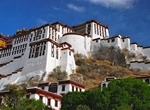
Visit Potala Palace, Lhasa, Tibet (UNESCO site)
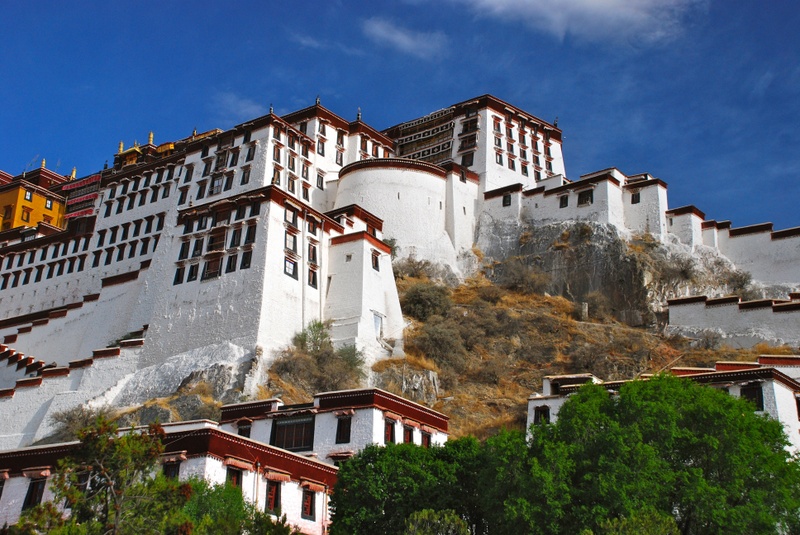 A quick word about the place...Flag as inappropriate ›Construction of the Potala Palace complex, the Tibetan winter home of the Dalai Lamas, was begun in the 7th century AD. The Palace is an iconic symbol of Tibetan Buddhism and plays a key role in the administration of Tibet. Built on Red Mountain in the center of the Lhasa Valley (the highest elevation of any ancient palace), Potala Palace is the oldest building in a collection that includes the Jokhang Temple Monastery and Norbulingka, a masterpiece of Tibetan art and the former summer palace of the Dalai Lama. Within the Potala Palace complex is found the White Palace where the throne of the then sitting Dalai Lama was located. The nearby Red Palace harbors the remains of Dalai Lamas that have gone before in resplendent gold tombs as well as a great collection of halls that house numerous Buddhas and the sutras (libraries of tenets, sermons and rules) of Buddhism. Potala Palace and its surrounding buildings are a UNESCO World...SHOW MORE
 -
See Angkor Wat, Cambodia (UNESCO site)
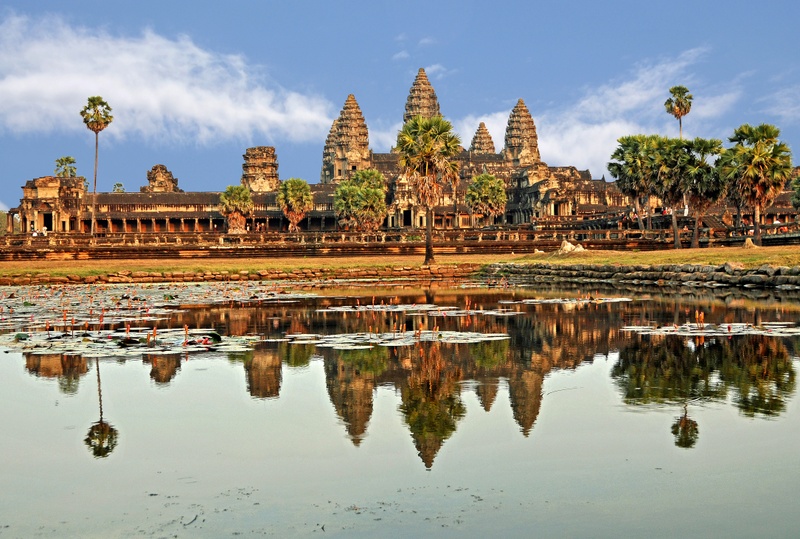 A quick word about the place...Flag as inappropriate ›The temples of Angkor, Cambodia were built by the Khmer civilization between the 9th and the 15th centuries. The remaining structures display one of man’s most astonishing and enduring architectural achievements. The Khmer Kings ruled over a vast domain that reached from Vietnam to China then to the Bay of Bengal from Angkor. The more than 100 stone structures one sees at Angkor today are the surviving remains of a grand religious, social and administrative metropolis that once included many other buildings such as palaces, public buildings and homes built of wood that have long since decayed and disappeared. The Angkor Archaeological Park contains the magnificent relics tucked into a heavily forested area. Angkor Wat (Wat denotes “capital temple”) was developed during the early years of the 12th century by Suryavaram II in the classic Khmer architectural style. The Temple honors the Hindu god Vishnu and is a...SHOW MORE
 -
Visit Fez (Fes), Morocco (UNESCO sites)
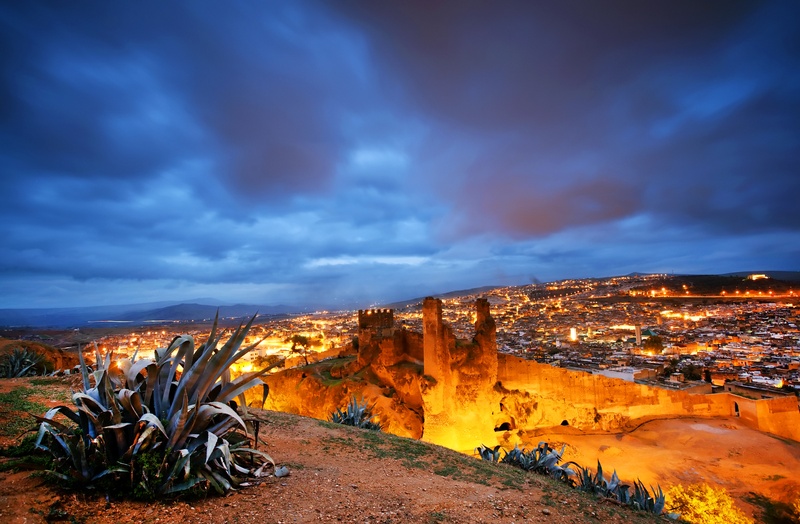 A quick word about the place...Flag as inappropriate ›The City of Fez (sometimes “Fes”) is at the center of Morocco’s history and traditions. It is thought to have been the first capitol city of Morocco with its roots planted in the 9th century, AD. Fez has a rich history with much of the city as it was in the Middle Ages yet with modern hotels and a reliable water supply. Fez was once considered the center of education from Europe to West Africa and is home to what is believed to be the world’s oldest institution of higher learning, Karaouine University, established soon after the city of Fez. Throughout time, Fez has been periodically under the control of foreign governments, most recently the French, with the city’s inhabitants speaking a mixture of French and Arabic. Visitors to this ancient medieval city find the landmarks and historical buildings alluring. Among the favorite places to tour is the ancient walled city of Fes El-Bali (or...SHOW MORE
 -
See Itsukushima Shinto Shrine, Japan (UNESCO site)
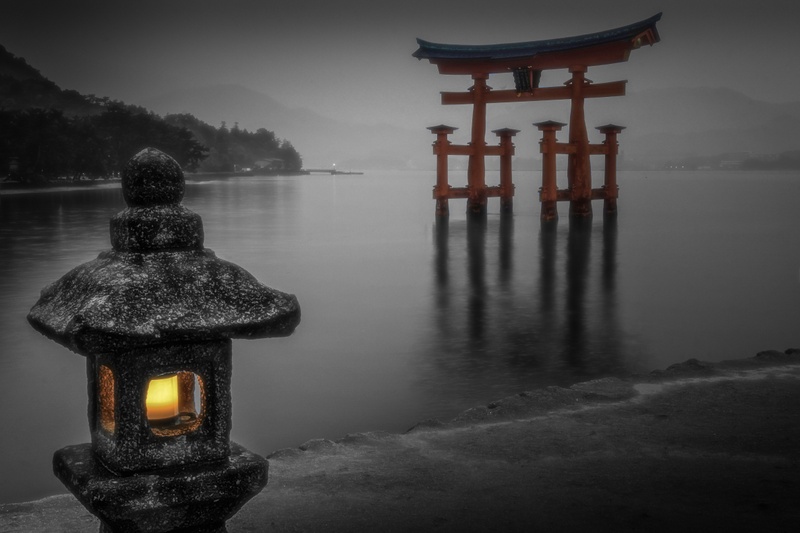 A quick word about the place...Flag as inappropriate ›The buildings of the Itsukushima Shinto Shrine on the island of Itsukushima in the Seto Island Sea are well preserved examples of traditional Japanese Shinto architecture bridging their construction in the 12th and 13th centuries to today. The buildings are integrated into the surrounding landscape, situated at the base of much worshipped Mount Misen, symbolizing man’s reverence of nature and were designed to emphasize their high architectural quality and harmony with their surroundings. The Itsukushima Shinto Shrine has been designated as a UNESCO World Heritage Site. The island of Itsukushima is accessible by ferry from Hiroshima harbor. The entire island sits within the protected Setonaikai National Park along with about 3,000 other Japanese islands. In addition to the visiting the buildings of the many Shinto shrines and temples, visitors to the island enjoy riding the Miyajima Ropeway, an aerial tramway that...SHOW MORE
 -
Visit Monticello & University of Virginia, Charlottesville (UNESCO sit...
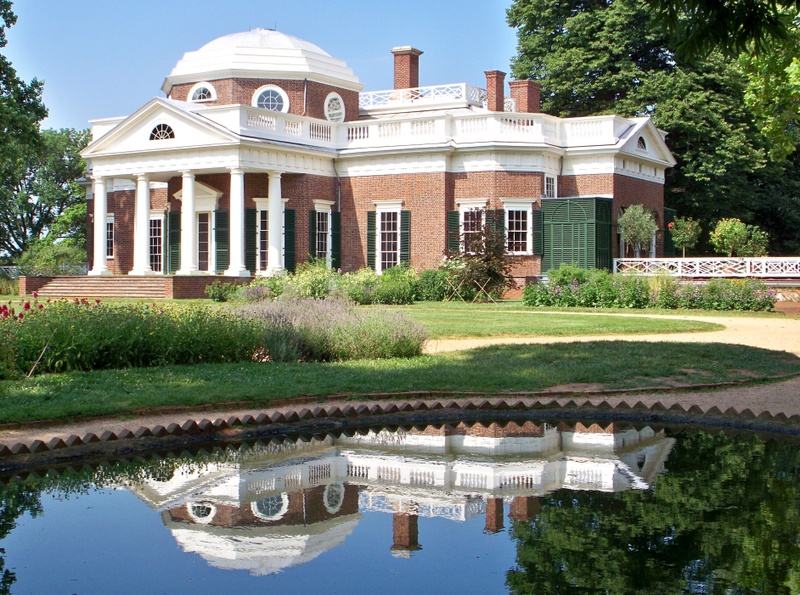 A quick word about the place...Flag as inappropriate ›Monticello is a National Historic Landmark just outside Charlottesville, Virginia, United States. It was the estate of Thomas Jefferson, the principal author of the United States Declaration of Independence, third President of the United States, and founder of the University of Virginia; it is also, at his direction, the site of Jefferson's burial place. The house, which Jefferson designed, was based on the neoclassical principles described in the books of the Italian Renaissance architect Andrea Palladio. It is situated on the summit of an 850-foot (260 m)-high peak in the Southwest Mountains south of the Rivanna Gap. Its name comes from the Italian "little mountain." An image of the west front of Monticello by Felix Schlag has been featured on the reverse of the nickel minted since 1938 (with a brief interruption in 2004 and 2005, when designs of the Westward Journey series appeared instead). The University of Virginia (also...SHOW MORE
Check out other Dreams from this list
-
1.
 Explore Grand Canyon...
-
2.
 Walk on the Great Wall...
-
3.
 Visit The Colosseum...
-
4.
 Visit Machu Picchu, Peru...
-
5.
 Visit Chichen-Itza...
-
6.
 See Pyramids of Giza...
-
7.
 Explore Hawaii Volcanoes...
-
8.
 Visit Petra, Jordan...
-
9.
 Visit Taj Mahal, India...
-
10.
 Visit Easter Island (Rapa...
-
11.
 Explore Great Barrier...
-
12.
 Visit Old City of...
-
13.
 Wine Tasting in Alto...
-
14.
 Visit Galápagos Islands...
-
15.
 Visit Cappadocia & Göreme...
-
16.
 Visit Potala Palace...
-
17.
 See Angkor Wat, Cambodia...
-
18.
 Visit Fez (Fes), Morocco...
-
19.
 See Itsukushima Shinto...
-
20.
 Visit Monticello &...