Give us feedback!


 See all
Our philosophy is simple. We want to encourage you to dream. BIG! Then we help you plan your trip, get the most out of it while you're traveling and help you share your experience with friends.
Join Now It's FREE
Dream Packages
Duration: 2 days
Price: $480.00
Price: $480.00
Duration: 8 hours
Price: $141.03
Price: $141.03
Duration: 2 days
Price: $242.00
Price: $242.00
Duration: 1 hour 30 minutes
Price: $116.91
Price: $116.91
Dreams Still To Do
Checked-Off Dreams
Dreams Still To Do
Checked-Off Dreams
Advertisement
Explore Ancient Art
-
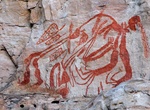
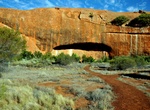
Explore Ubirr Rock Art Site, Australia (UNESCO site)
The art sites of Ubirr, Burrunguy (Nourlangie Rock) and Nanguluwur are internationally recognised as outstanding examples of Aboriginal rock art. These sites are found in rocky outcrops that have afforded shelter to Aboriginal inhabitants for thousands of years. The painting in these rock shelters were done for various reasons: Hunting - animals were often painted to... -
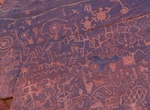
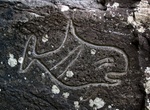
Explore V-bar-V Petroglyph Site, Arizona
The V-bar-V petroglyph site is the largest known petroglyph site in the Verde Valley of central Arizona, and one of the best-preserved. The rock art site consists of 1,032 petroglyphs in 13 panels. Acquired by the Coconino National Forest in 1994, the site is protected and kept open to the public by the US Forest Service. Volunteers from the Verde Valley Archaeologica... -
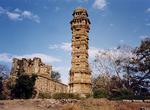
See Vijay Stambha (Tower of Victory), India
Vijay Stambha or "Tower of Victory" is an imposing structure located in Chittorgarh fort in Rajasthan, India. This tower is the piece-de-resistance of Chittaurgarh. It was constructed by Mewar king Rana Kumbha between 1442 AD and 1449 AD to commemorate his victory over the combined armies of Malwa and Gujarat led by Mahmud Khilji . Dedicated to Vishnu,this 37.19 m hig... -
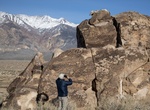
See Volcanic Tablelands Petroglyphs, Bishop, California
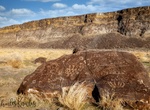
Volcanic Tablelands Petroglyphs are located outside of Bishop, California. The Paiute-Shoshone Indians resided here and created a great deal of rock art – petroglyphs – throughout the Tablelands. Although there are petroglyphs throughout the area, there are a number of large – and stunning groupings in certain specific areas. Even though this land is... -
See Walga Rock, Western Australia
Walga Rock, also known as Walgahna Rock and Walganna Rock, is a granite monolith situated about 48 kilometres (30 mi) west of Cue, Western Australia.:46 It is one of the largest granite monoliths in Australia. Of profound cultural significance to Aboriginal people, the Wajarri elders are the acknowledged traditional owners. An extensive gallery of Aboriginal art exist... -
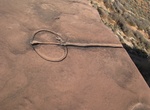
See a Water Glyphs Petroglyph, Nevada, Utah & Arizona
Water glyphs are a recurring type of petroglyph found across the American southwest, but primarily in southern Utah, northern Arizona, and Nevada. Sites include: Indian Knoll, Bulrush Canyon and Canaan Gap. The symbols are thought to be of ancient origin (perhaps created by the Ancestral Puebloans) and have been dated using x-ray fluorescence to around 2000 years. Cla... -
Hike to Wedding Rock Petroglyphs, Olympic National Park, Washington
Wedding Rock petroglyphs are located along the The North Coast Route Trail (part of the Pacific Northwest Trail) in Olympic National Park (Ozette Coast). -
Hike to Wee’s Bar Petroglyphs, Melba, Idaho
Wee’s Bar Petroglyphs are near Swam Falls Dam. One of the rocks is filled with different pictures. -
Visit Wemyss Caves, Fife, Scotland
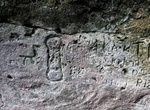
Wemyss Caves (weems, from the Gaelic, uamha) has several of them with archaic sculptures, of uncertain origin. -
See White Mountain Petroglyphs, Wyoming
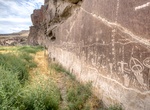
White Mountain is a long mountain located in central Sweetwater County, Wyoming, near the cities of Rock Springs and Green River. Hundreds of carved figures dot the sandstone cliffs at the White Mountain Petroglyph site in Wyoming’s Red Desert. Etched into the stone surface some 200 to 1,000 years ago, several figures appear to portray bison and elk hunts while ... -
Visit White River Narrows Archaeological District, Basin and Range National Monument, Nevada
The White River Narrows Archeological District, located in Basin and Range National Monument, is an area of outstanding petroglyphs. The canyon was carved by the White River during the Pleistocene. It is home to one of the largest concentrations of prehistoric rock art in eastern Nevada. The rock art sites cover more than 4,000 acres and are listed on the National R... -
Hike Whitmore Canyon Trail to Colorado River, Arizona
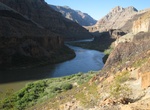
The Whitmore Canyon Trailhead is at the end of Whitmore Trail (BLM 1045/NPS 1245). This 1.6 out and back trail goes down to the Colorado River. Whitmore Canyon Overlook is 1,000 feet above the Colorado River in the Grand Canyon. -
Off-Road to Whitmore Trail (BLM 1045/NPS 1245), Arizona
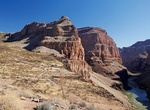
Whitmore Trail is accessed from a 3-hour drive west of Tuweep Overlook, St. George or Colorado River (river mile 188). This moderate 4 mile (6.5 km) roundtrip trail starts at Whitmore Overlook and goes down to the Colorado River 920 feet elevation drop from the trailhead. Watch for some rock art along the way. The road is through Grand Canyon - Parashant National Monu... -
Hike Willis Creek Slot Canyon, Utah
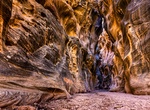
Willis Creek is located in Grand Staircase-Escalante National Monument in southern Utah. The creek runs through a wash which in some sections narrows to become a slot canyon. The creek is popular with hikers as the stream is generally 1-2 inches deep and a trail runs the length of the creek. The end of the creek is dry. Use Skutumpah Road, also known as BLM 500, to ge... -
Hike Willow Gulch to Broken Bow Arch, Utah
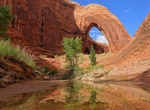
The spectacular Broken Bow Arch is located in Willow Gulch in Utah. Hike approximately one mile downstream from the Willow Gulch trailhead off Hole-in-the-Rock Road. It is named after a Native American artifact found nearby. The opening is estimated at 94 feet (29 m) wide and 100 feet (30 m) high, demonstrating the arch-forming ability of Navajo sandstone.
Price: $140.53