Give us feedback!
Our philosophy is simple. We want to encourage you to dream. BIG! Then we help you plan your trip, get the most out of it while you're traveling and help you share your experience with friends.
Join Now It's FREE
Related Categories
Dreams Still To Do
Checked-Off Dreams
Dreams Still To Do
Checked-Off Dreams
Advertisement
Explore United States Fish and Wildlife Service (USFWS)
-
Explore Cross Island National Wildlife Refuge, Maine
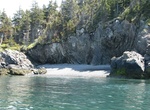
Cross Island National Wildlife Refuge is a National Wildlife Refuge in the state of Maine. It is one of the five refuges that together make up the Maine Coastal Islands National Wildlife Refuge, along with Petit Manan, Franklin Island, Seal Island, and Pond Island. Cross Island NWR has a surface area of 1,700 acres (6.9 km2). It is part of the Town of Cutler. The Serv... -
Explore Crystal River National Wildlife Refuge, Florida
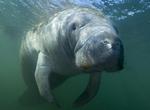
The Crystal River National Wildlife Refuge is part of the United States National Wildlife Refuge System, located in Kings Bay, in the town of Crystal River, and consists of 20 islands and several small parcels of land. Visitors will find warm springs that feed into Crystal River invite swimmers, boaters, and nature-lovers to this coastal area. Crystal River Refuge wa... -
Birding at Culebra National Wildlife Refuge, Puerto Rico
The Culebra National Wildlife Refuge is a National Wildlife Refuge in Puerto Rico. It is part of the Caribbean Islands National Wildlife Refuge Complex, which is a unit of the U.S. Fish and Wildlife Service. It is the site of the former Camp Roosevelt. More than 50,000 seabirds of 13 species find their way to this dot in the ocean every year to breed and nurture their... -
Birding at Deer Flat National Wildlife Refuge, Idaho
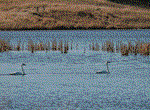
The Deer Flat National Wildlife Refuge is an important breeding area for mammals, birds, and other animals. The National Wildlife Refuge is located on land surrounding Lake Lowell, just outside Nampa, Idaho. It serves as a resting and wintering area for birds, including mallards and Canada geese, along the Pacific Flyway and was named a "Globally Important Bird Area" ... -
Explore Desert National Wildlife Refuge, Nevada
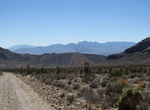
The Desert National Wildlife Refuge is a protected wildlife refuge, administered by the U.S. Fish and Wildlife Service, located north of Las Vegas, Nevada, in northwestern Clark and southwestern Lincoln counties, with much of its land area lying within the southeastern section of the Nevada Test and Training Range. The Desert NWR, created on May 20, 1936, is the large... -
Birding at Des Lacs National Wildlife Refuge, North Dakota
The Des Lacs National Wildlife Refuge is located in North Dakota and extends from the Canadian border to near the town of Kenmare, North Dakota along Des Lacs Lake. The refuge is considered to be one of the most important bird sanctuaries in the U.S., with tens of thousands of birds using the refuge for migration and breeding. The refuge is also home to elk, moose, bi... -
Birding at Don Edwards San Francisco Bay National Wildlife Refuge, California
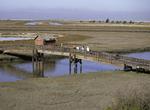
Don Edwards San Francisco Bay National Wildlife Refuge is located in the southern part of San Francisco Bay, California. Most of the refuge stretches along the marshy shoreline north and south of the Dumbarton Bridge, but Bair Island, in San Mateo County, is also part of the system. The southernmost extent of the refuge is in northern Santa Clara County. It was founde... -
Birding at Felsenthal National Wildlife Refuge, Arkansas
The Felsenthal National Wildlife Refuge is a 64,902 acre (262.65 km2) wildlife refuge located in south-central Arkansas in Ashley, Bradley, and Union counties. It is the world's largest green tree reservoir. The Felsenthal National Wildlife Refuge is a wetlands complex near Lake Jack Lee, which is located on the confluence of the Saline and Ouachita Rivers. It is made... -
Explore Fish Springs National Wildlife Refuge, Utah
Fish Springs National Wildlife Refuge is located at the southern end of the Great Salt Lake Desert, part of the Great Basin in Juab County, Utah. The Refuge is managed by the United States Fish and Wildlife Service. As an oasis in the Great Basin Desert in western Utah, Fish Springs serves a variety of species including fish, migratory birds, deer, coyotes, pronghorn,... -
Birding at Gravel Island National Wildlife Refuge, Wisconsin
Gravel Island National Wildlife Refuge is a National Wildlife Refuge located off the Door Peninsula in Wisconsin. Founded in 1913 the refuge consists of two Lake Michigan islands, that act as nesting grounds for native bird species. The refuge is part of the Wisconsin Islands Wilderness Area, and as such it is off-limits to the public to preserve the habitat of the is... -
Birding at Grays Harbor National Wildlife Refuge, Washington
Grays Harbor National Wildlife Refuge is located within Grays Harbor, at the mouth of the Chehalis River, which makes up the second largest watershed in Washington. It is one of four major staging areas for migrating shorebirds in the Pacific Flyway. Up to one million shorebirds gather here in spring and fall to feed and rest. Grays Harbor is designated as a Western H... -
Birding at Great Dismal Swamp National Wildlife Refuge, North Carolina and Virginia
The Great Dismal Swamp National Wildlife Refuge was created to help protect and preserve a portion of the Great Dismal Swamp, a marshy region on the Coastal Plain of southeastern Virginia and northeastern North Carolina between Norfolk, Virginia, and Elizabeth City, North Carolina. Many mammals, including black bears, bobcats, otters, andweasels along with over 70 sp... -
Birding at Great White Heron National Wildlife Refuge, Florida
The Great White Heron National Wildlife Refuge is located in a region known as the 'Backcountry', which reaches from north of Marathon to north of Key West. It is along the north side of the Keys in that area that border the Gulf of Mexico. The 130,187 acre (527 km2) refuge (6,207 acres (25 km2) of it land, 123,980 (502 km2) water) was established on October 27, 1938,... -
Birding at Green Bay National Wildlife Refuge, Wisconsin
Green Bay National Wildlife Refuge consists of Hog Island (2 acres), Plum Island (325 acres), and Pilot Island (3.7 acres). The islands are located in Lake Michigan, near Washington Island, off the tip of Wisconsin’s Door Peninsula. The Green Bay National Wildlife Refuge is also a safe haven for multiple species of wildlife, specifically birds. This refuge was s... -
Explore Green Cay National Wildlife Refuge, Saint Croix, USVI
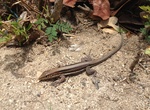
Green Cay National Wildlife Refuge, just north of Saint Croix, U.S. Virgin Islands, preserves habitat for the largest remaining population of endangered Saint Croix ground lizard (Ameiva polops). Much smaller populations of ground lizard live on nearby Protestant Cay and on Ruth Island. Its extirpation from the mainland of St. Croix is generally attributed to the intr...